
Why It’s Important to Know Where Your Gas Shut-Off Valve Is
Gas safety is a critical issue in any home—understanding how to locate and turn off your gas shut-off valve quickly can help you avoid hazardous situations. Whether you live in a single-family house or share a multi-unit building, you should know precisely where and how to access this valve. By doing so, you’ll be prepared to prevent or contain a potential gas leak, protect yourself and others in the home, and keep property damages to a minimum.
In Alberta, many households rely on natural gas for heating and cooking. It’s an efficient, convenient resource, but it also requires attention to safety. If you suspect a gas leak or smell a strong sulfur-like odor, it’s essential to shut off the gas supply—if safe to do so—and then contact your local gas company and emergency services. Before an issue arises, set aside some time to learn where your shut-off point is located and how to operate it.
1. Locating the Main Gas Meter
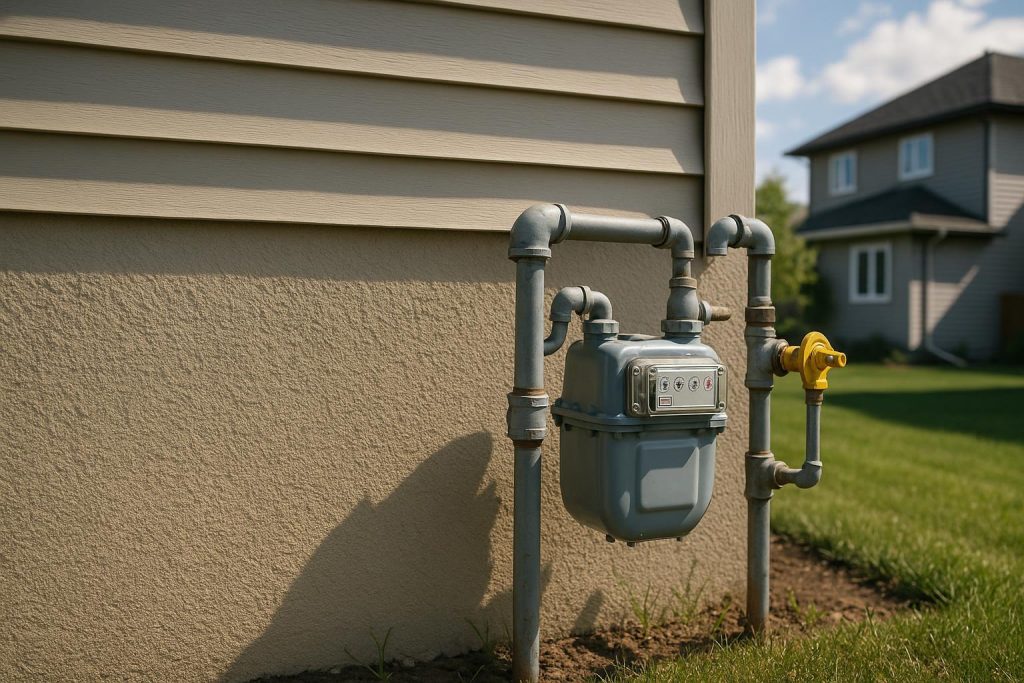
The primary place to search for your gas shut-off valve is at or near the gas meter. In many Alberta homes, the gas meter is on the exterior of the house. Sometimes, especially in colder climates or multi-family structures, the meter is placed inside a utility room or basement. If you are in an apartment building, look for a shared utility area typically on the ground floor or a designated space in the basement. Once you spot the gas meter—an apparatus with dials and a gauge measuring the flow of natural gas—you’re on the right track. The shut-off valve is typically found on the pipe leading to the meter.
Sometimes, landscaping or storage boxes can obscure the meter if it’s placed outdoors. Make sure you have a clear path to it, and avoid piling snow, debris, or other items around the meter. Keeping this area accessible is an important safety measure. If you find it challenging to locate the meter, try checking for a thick metal pipe running into the home—this line should connect to the meter. But if you truly can’t find it on your own, consider calling a local professional who can identify it for you. After all, a few minutes spent now could save you from a major hazard in the future.
Tip: Familiarize Yourself with Local Support
It’s always a good idea to know which local companies and professionals provide reliable service. In Alberta, you can find Alberta-based providers who offer local support if you have questions about natural gas lines or utilities. They can also inspect your home’s current configuration and advise on the best ways to maintain the lines in good condition.
2. Identifying the Main Shut-Off Valve
On the pipe that leads to the gas meter, look for a handle or knob. Many valves include a lever that resembles a handle lying parallel or perpendicular to the pipe, while others have a round knob that twists open or closed. A lever-type valve is commonly used in modern setups: when the lever is aligned with the pipe, the gas is flowing; when it’s at a right angle to the pipe, gas flow is shut off.
If you have an older home, the valve could be the knob type, requiring a few rotations to switch between on and off. In any setting, it’s wise to keep an adjustable wrench or a specialized gas shut-off tool readily available. This tool is particularly beneficial if your valve is stiff or challenging to turn. Try storing the wrench near your gas meter or in a location you can easily access in an emergency. Many homeowners also choose to label the wrench or tool with a bright tag, ensuring they can find it in a hurry.
Why You Shouldn’t Force the Valve
If your shut-off valve is rusted, stuck, or otherwise difficult to move, do not use extreme force. Doing so could cause the valve to break or result in a leak. Instead, contact a professional or your gas company to help you address the issue safely. Damaging a gas valve is a more serious problem than a minor inconvenience, so it’s worth taking the time to do it properly.
3. Turning the Gas Off: Step by Step
Once you have identified your meter and the main shut-off valve, how do you go about turning the gas off in an emergency? Here is a straightforward guide:
- Locate the Meter and Valve: Ensure you’ve found the correct spot where the gas enters your home. Double-check it’s indeed your meter if you live in an apartment building or condo. A mistake here could turn off the neighbor’s gas instead.
- Position the Valve Lever: If you have a lever-type valve, rotate it until it’s perpendicular (like a “T”) to your gas pipe. This angle indicates that the gas supply is shut off. If you have a knob-type valve, turn it clockwise until it reaches the “off” position.
- Use the Right Tool: Have your wrench or shut-off tool on hand. A standard adjustable wrench works for most residential valves, but a gas shut-off wrench can make the process easier. Make sure to turn slowly and steadily to avoid strain on the pipeline.
- Avoid Excessive Force: If the valve doesn’t want to turn, do not force it. You could potentially crack the pipe or create a new leak. If you can’t move it comfortably or it’s clearly stuck, it’s prudent to call a professional for help.
- Check for Gas Smells: After turning the valve off, do a preliminary check for gas odors. If you still smell gas, evacuate immediately and call emergency services or your gas provider from a safe distance outside the home.
Knowing these steps in advance can help you stay calm under pressure and ensure that you’re doing the right thing in a genuine emergency.
4. How Individual Appliance Shut-Off Valves Work
Beyond the main shut-off valve, your appliances may each have their own shut-off valves to isolate gas flow to that particular device. Common examples include ovens, dryers, water heaters, and furnaces. These valves are typically smaller and located on the gas pipe running directly to the appliance. If you encounter an issue specific to a single appliance—like smelling a faint gas odor behind your stove—turning off the appliance’s dedicated valve might be sufficient while you investigate. However, if the odor is strong or you suspect a more widespread leak, it’s safer to shut off the main valve. Then, contact a qualified technician.
One benefit of these individual shut-offs is convenience. If you need to work on or replace an appliance, you can turn off gas to just that fixture rather than cutting gas to your entire home. This way, you can still continue to use your other gas-powered appliances.
5. Proactive Steps for Peace of Mind
In addition to knowing where your valve is, consider these precautionary measures to ensure your home remains safe:
- Regular Inspections: Schedule periodic checks of your home’s gas lines, valves, and fixtures. Whether you hire a professional or consult your local gas provider, making sure everything is working properly can spare you unexpected stress later.
- Clear Signage: Some homeowners add a small sign or label to the utility area, pointing to the valve’s location. In the midst of an emergency, a bright sign can help everyone act quickly.
- Keep the Area Organized: Don’t clutter your furnace or meter location. A messy area can slow you down in an emergency and make it tougher to spot leaks or damage.
- Team Approach: Collaborate with household members to make sure everyone knows where the main gas valve is and how to turn it off. If you have older children or teenagers, you can show them the process and emphasize the importance of caution.
By adopting these simple practices, you reduce the risk of accidents, enhance your family’s safety, and gain a sense of control over your home’s gas supply. If you ever have to leave the house, instruct temporary guests or house-sitters on where the gas valve is, especially during times of severe weather that might disrupt normal utility service.
6. When to Contact a Professional
If you cannot locate the valve at all, or if you find it but it appears damaged, it’s best to reach out to your local utility company or a qualified plumber. They can check whether your shut-off valve needs replacing, repositioning, or a more modern fixture. In older Alberta homes, some valves are installed in inaccessible places, making it hard for homeowners to react quickly in emergencies. A professional can help relocate the valve to a more convenient location, significantly increasing safety.
Here are a few telltale signs that you should call in an expert:
- Rusted or Corroded Valve: If rust is building up, the shut-off valve may not function effectively when you need it most.
- Difficulty Turning: You can’t easily turn the valve with a normal level of effort.
- Pipes Are Leaking: There is visible moisture or hissing near the joints around the meter or the valve itself.
While you might be hesitant to invest in a repair or replacement, remember this is about the safety of your home and family. It’s better to be proactive than to face complications later.
7. Steps After an Emergency
Once you’ve turned off the gas during an emergency, the next concern is whether it’s safe to turn it back on. Generally, you should not reconnect yourself following a suspected leak; wait for a professional to perform a thorough check. A qualified technician can test connections, inspect each gas appliance, and relight pilot lights safely. Attempting to handle all these tasks without the proper qualifications could put you and others at risk.
During the shutdown period, keep these points in mind:
- Ventilation: Open windows and doors if you suspect a leak. Fresh air will help dissipate any lingering gas in the room, reducing the risk of ignition.
- Avoid Anything That Could Spark: Don’t flip electrical switches or use phones in the immediate area if you smell gas. Even a small spark could trigger combustion if the leak is severe.
- Seek Local Support: If your local gas company or plumber is delayed, it might be beneficial to contact a secondary qualified technician or reach out to neighbors to see if they have recommendations.
8. Knowing Your Different Gas Services
Many people across Alberta count on natural gas to power their furnaces, water heaters, and cooking appliances. If you’re new to the region, or you’re simply looking to learn more about the services available to you, it can be helpful to get familiar with Natural Gas and your provider’s rate structures. Having a reliable service plan can give you flexible options for meeting your household’s energy demands and staying within your budget. Look for an Alberta-based provider that offers simple and affordable rates and clear billing so you always know what you’re paying for.
Whether you live in Edmonton, Calgary, or Grande Prairie, your local provider can walk you through the usage details, potential cost-saving tips, and how to take advantage of flexible options that suit your household. Things like Fixed-rate or Variable-rate plans let you choose the level of price security you prefer, and many Alberta-based providers are happy to answer questions about making the switch to a new plan, if needed.
9. Frequently Asked Questions from Homeowners
- Do I always have to turn off the entire gas supply if there’s a problem? It depends on the severity of the issue. If your oven is the only concern and you believe the smell is localized, turning off just the oven’s shut-off valve might be adequate. But if you suspect a bigger leak, it’s safer to shut off the main supply.
- Will shutting off the main valve affect my pilot lights? Yes, turning off the main supply will extinguish pilot lights on gas appliances. Be sure to have a professional relight them safely when you’re ready to restore service.
- Can a gas shut-off valve wear out over time? Valves can degrade if exposed to harsh conditions or if they are very old. Regular inspections help catch these issues prematurely.
Deciding how and when to shut off your gas depends on your comfort level, the nature of the problem, and your ability to do so safely. In all cases, if you feel unsure about a suspected leak, evacuate your home and call professionals immediately.
10. Final Checks for Safety, Simplicity, and Peace of Mind
Knowing how to find and shut off your gas valve is essential for anyone using natural gas at home. Although it may feel intimidating, especially if you’re new to the process, staying informed can spare you from potentially dangerous incidents. Having your valve clearly marked, easy to access, and regularly inspected ensures you’re well-prepared for unexpected situations.
The peace of mind that comes from being able to handle minor utility issues on your own is invaluable. By taking ownership of this simple precaution, you’re also taking a step toward making your home more secure and ensuring your family is protected. If you’re not fully confident in your ability to locate the valve or turn it off, don’t hesitate to contact a professional for help.
A few final reminders:
- Practice: Take a moment to practice turning the valve when there’s no emergency. This way, you’ll know what to do during an actual crisis.
- Share the Knowledge: Everyone in the home—roommates, family members, older children—should know the basics of gas shut-off. A quick demonstration can save precious time if you’re not around.
- Stay Proactive: Keep a close eye on any upcoming maintenance or recommended safety checks from your natural gas provider. If they send reminders to schedule an inspection, follow through.
Being aware and prepared will not only help you in an emergency, but it can also foster a sense of empowerment. Dealing with utilities and household maintenance doesn’t have to be complicated or stressful, especially if you have dependable resources in your area. Remember that professional help is always available when you need it, so never hesitate to reach out for local support to ensure ultimate peace of mind.
Finally, if you’re interested in learning about competitive rates or exploring flexible options for your home’s gas service, check out the Natural Gas information from an Alberta-based provider committed to dependable, straightforward energy plans. Whether you’re a homeowner, renter, or business owner, having a handle on your utilities is a surefire path to feeling secure in your space.