
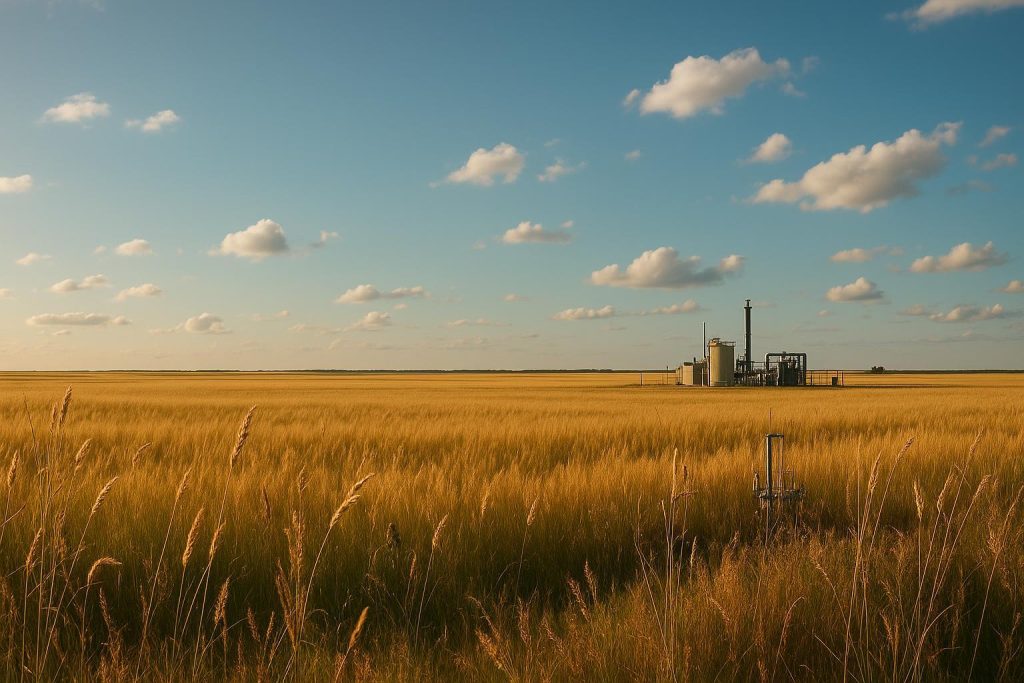
Understanding How Natural Gas Is Produced
Natural gas production is a fascinating process that begins deep underground and ends with a reliable fuel source for homes, businesses, and power plants everywhere. From exploration to processing, it involves many steps to ensure the gas you use is safe, clean, and ready for your furnace, stove, and other everyday needs. In this guide, we’ll explore what natural gas really is, how companies find and extract it, and why it remains such an important energy option for so many people. We’ll also touch on some environmental considerations, how natural gas is used in electricity generation, and what to consider when choosing a natural gas provider. By the end, you’ll have a clearer understanding of how this valuable resource travels from the earth to your doorstep.
What Is Natural Gas?
Natural gas is a hydrocarbon-based fuel made mostly of methane, with smaller amounts of other components like ethane and propane. It forms over millions of years as layers of buried plants and animals decompose under high pressure and temperature. This decomposition process transforms once-living matter into fossil fuels, such as oil, coal, and natural gas. Over time, the gas can accumulate in porous rock formations, often sealed in by layers of non-porous rock, deep beneath the earth’s surface. These formations are found in many parts of the world, including Alberta, where the gas can be extracted and put to good use.
Companies that extract natural gas usually rely on geological surveys and seismic testing to identify rock formations that may trap the gas. They also use advanced technologies to map out these deposits before deciding where to drill. Because natural gas is lighter than oil, it often rises above petroleum in the same reservoir, making some wells valuable for both oil and gas production.
Exploration and Drilling
The first step in producing natural gas is exploration—locating where deposits might exist. Geologists study the land using seismic waves, collecting data that help them form 3D pictures of what lies beneath. Once they pinpoint a promising site, energy companies secure the proper permits and prepare the land for drilling. Modern drilling rigs can be incredibly sophisticated, able to drill many kilometers below the surface. In some cases, horizontal drilling is used to access gas trapped in layers of rock that are not vertically aligned with the well.
After drilling, steel pipes, known as casings, are placed into the wellbore. These casings help maintain the well’s structural integrity and protect groundwater sources by isolating them from the fluids and gases inside the well. Once the well is established, various approaches might be used to encourage the release of gas. In tight or shale rock formations, hydraulic fracturing can be employed. This process injects fluid at high pressure, creating small fractures in the rock so the gas can flow more easily to the well.
Extracting Gas from the Ground
Once the well is operational, natural gas typically flows to the surface due to the natural pressure within the reservoir. In older or lower-pressure fields, pumps or compression systems might be used to bring it up. At the wellhead—where the well meets the surface—the gas is then separated from other substances. Water, oil, and other hydrocarbons like condensates are removed in a preliminary stage. This is a crucial step, as it prevents any gunk or debris from reaching the main processing plants. Even at this early stage, safety measures are paramount, with specialized valves and blowout preventers ensuring control of the wellhead at all times.
The extraction process can last decades if the reservoir is large enough and properly managed. Advanced technology helps producers monitor reservoir pressure and flow rates to optimize production. Once a well stops producing at economically viable levels, it is usually sealed and abandoned in a responsible manner. For instance, the surrounding areas are often remediated and restored to something near their natural state.
Processing and Refining
After being extracted, natural gas goes through a series of processing steps before it can be used by households and businesses. One of the primary tasks is to remove impurities such as hydrogen sulfide, carbon dioxide, or water vapor, which could cause corrosion or other problems during transport. Gas plants commonly use techniques like dehydration and sweetening to ensure the end product meets specific quality standards.
During processing, by-products like ethane and propane can also be separated out. These by-products may go on to become valuable feedstocks in the plastics and petrochemical industries. The result is a cleaner fuel source that’s easier to transport. This cleanup is essential, as it helps maintain pipeline integrity and protects downstream equipment. It also ensures the natural gas that homes and businesses receive is consistent, safe, and ready for immediate use.
Moving the Gas to Market
After processing, natural gas is transported through a vast network of pipelines spanning entire regions—or even countries. Canada, for instance, has thousands of kilometers of pipeline that carry natural gas from producing provinces like Alberta to places as far away as Ontario. These pipelines are constructed to meet strict standards, minimizing the risk of leaks. Compressor stations are strategically placed along the network to maintain the proper pressure, pushing the gas steadily toward its destination.
In certain cases, natural gas can be cooled and transformed into liquefied natural gas (LNG), making it easier to transport by ship to international markets. LNG facilities can be found in regions that don’t have access to—for example—some pipeline infrastructure. These facilities chill the gas to about -162 degrees Celsius, drastically reducing its volume. When it reaches the receiving terminal, the LNG is turned back into gaseous form for distribution through local pipelines.
How Natural Gas Is Used
Natural gas is incredibly versatile. One of its most common uses is to provide heat for homes and buildings. Many Albertans rely on natural gas furnaces and water heaters to keep their indoor spaces warm, especially during the region’s chilly winters. Natural gas also powers appliances like stoves and dryers, providing efficient heat for everyday tasks. In addition, it plays a key role in electricity generation, as many power plants burn natural gas to produce steam, which then drives turbines to create electricity.
Beyond residential heating and power generation, natural gas serves as an important fuel for industrial processes. Factories use it for tasks like metal fabrication, glass making, and other applications that demand steady heat. Some fleet vehicles even use compressed natural gas (CNG) as a cleaner-burning alternative to gasoline or diesel. Its relatively low carbon emissions make it a popular choice for those looking to reduce their environmental impact.
Environmental Considerations
While natural gas burns cleaner than other fossil fuels such as coal or oil, it is still a propellant of carbon dioxide when burned. That said, natural gas emits fewer greenhouse gases per unit of energy produced than many alternatives. It also produces less particulate matter and fewer sulfur compounds. The development of technology to reduce methane leaks, a potent greenhouse gas, is a continuing focus in the industry. Regulations require producers to monitor and repair any leaks along their pipelines or at the wellhead.
Hydraulic fracturing, commonly known as “fracking,” has become a point of debate. On one side, it has opened up large reservoirs of gas previously considered unreachable. On the other, some are concerned about the potential environmental effects, like groundwater contamination and increased seismic activity. Provinces like Alberta have regulations in place to govern how operators use fracking fluids and manage production water. Industry practices continue to evolve to minimize risks and safeguard local communities.
Choosing a Natural Gas Provider
If you live in Alberta, you might already know how important it is to compare your natural gas rates. Providers throughout the province often offer fixed-rate or variable-rate plans, giving you a choice in how you manage your monthly expenses. A fixed-rate plan locks in your cost per gigajoule for a set period, offering predictable billing. A variable-rate plan, however, can go up or down with market conditions, which sometimes means savings, but also comes with a bit more risk.
When looking for a provider, consider their reputation for local support and clear billing. Alberta-based entities often understand regional needs and can address issues faster, particularly when it comes to responding to emergent service calls or providing straightforward customer service. Plans advertised as simple and affordable can be a relief when trying to avoid confusion or hidden costs. Always read the fine print and ask questions about extra fees or contract lengths. Remember, a truly customer-first provider should be ready to clarify their rates and services without burying you in jargon.
Peace Power’s Natural Gas Services reflect that Alberta-based approach. They aim to offer competitive rates, flexible options, and a reliable service model. It’s a way to have your utilities managed by a team that’s not only knowledgeable about the local energy landscape but is also easy to switch to. This level of care can make the difference when you’re looking to choose your plan and potentially lock in your rate for a more predictable energy bill.
Natural Gas in Electricity Generation
Natural gas doesn’t just heat homes—it also generates electricity. In combined cycle power plants, natural gas is burned to produce heat, which spins turbines connected to generators. The waste heat is then captured to produce steam, turning a second turbine for additional power output. This process greatly improves the efficiency of electricity production, sometimes exceeding 50% efficiency rates.
Provinces like Alberta have been shifting toward using more natural gas in their energy mix, partly because it releases fewer emissions than coal. It helps maintain grid stability, pairing well with variable sources like wind and solar. As the province continues to diversify, natural gas remains a flexible resource to balance supply and demand, also making it a valuable stopgap when the wind isn’t blowing or the sun isn’t shining.
Taking Control of Your Energy Costs
Those who manage their energy consumption wisely can often see meaningful savings on natural gas bills. Simple steps like ensuring your home is well insulated, sealing drafts, and scheduling regular furnace maintenance can reduce energy waste. Using an efficient water heater and adjusting your thermostat at night or when you’re away also helps. For those looking to make bigger changes, upgrading windows and using smart thermostats can further reduce consumption.
In addition to controlling how much energy you use, consider choosing a plan that aligns with your budget and risk tolerance. Some families and small businesses opt for a fixed-rate plan to avoid unexpected spikes, while others feel comfortable with the potential savings of a variable-rate plan. It really depends on how closely you want to track market changes. The good news is: it’s easy to switch if you find that your current plan isn’t working for you.
Final Thoughts
Natural gas has grown to be one of the world’s most prominent energy sources, powering homes, fueling industrial processes, and even generating electricity across regions like Alberta. Its production process involves advanced exploration techniques, careful drilling, thorough refining, and an extensive pipeline network that delivers it to customers day after day. While it’s not entirely without environmental considerations, natural gas remains an important part of the transition toward cleaner and more sustainable energy solutions.
Understanding how natural gas is produced can help you make smarter decisions about your own energy needs. Whether you’re a homeowner looking at your monthly bills or a small business owner trying to cut overhead costs, having a solid grasp of where your fuel comes from—and the complexities behind it—can empower you to select the best plan. Alberta residents can benefit from providers that offer straightforward energy plans, competitive rates, and a strong local support system, all aimed at keeping your mind at ease. If you’re ever curious or unsure, don’t hesitate to ask questions. Energy is a significant part of daily life, and you have the right to understand every step of the process from the wellhead to the flame on your stove.