Understanding Your Residential Natural Gas Setup
Wondering whether you have a natural gas line at your home is a common question for many Albertans—especially if you’ve just moved to a new place or switched from one energy provider to another. Natural gas is often used for heating your home, running a fireplace, or fueling appliances like a gas stove or clothes dryer. Being aware of your natural gas setup isn’t just about curiosity; it can inform your budget, help you understand your energy usage, and ensure your household runs efficiently.
If you’re unsure how to determine whether you have a natural gas line, you’re not alone. This comprehensive guide walks you through the key signs, practical steps, safety considerations, and helpful resources you can use to confirm your home’s natural gas availability. Read on to learn how to identify the utilities you have in place and how to make the most of them.
Why It Matters to Know About Your Natural Gas Line
Knowing the type of energy resources available at your home ensures you can safely operate and maintain anything that relies on natural gas. Understanding your setup empowers you to:
- Make informed decisions: If you decide to switch providers or upgrade appliances, you’ll know which options are compatible with your home.
- Manage your bills effectively: Identifying your natural gas usage helps you budget more accurately, especially when comparing rates or evaluating fixed-rate versus variable-rate plans.
- Stay safe: Recognizing a natural gas meter or line can help you stay alert for signs of leaks or other issues in the future.
Not everybody pays close attention to their utility infrastructure. However, if you are new to the province, relocating within Alberta, or setting up utilities for the first time, having this knowledge can make your life simpler and your home operations smoother.
Signs You Have a Natural Gas Line
If you’re not sure whether you have natural gas at your residence, look for these telltale signs:
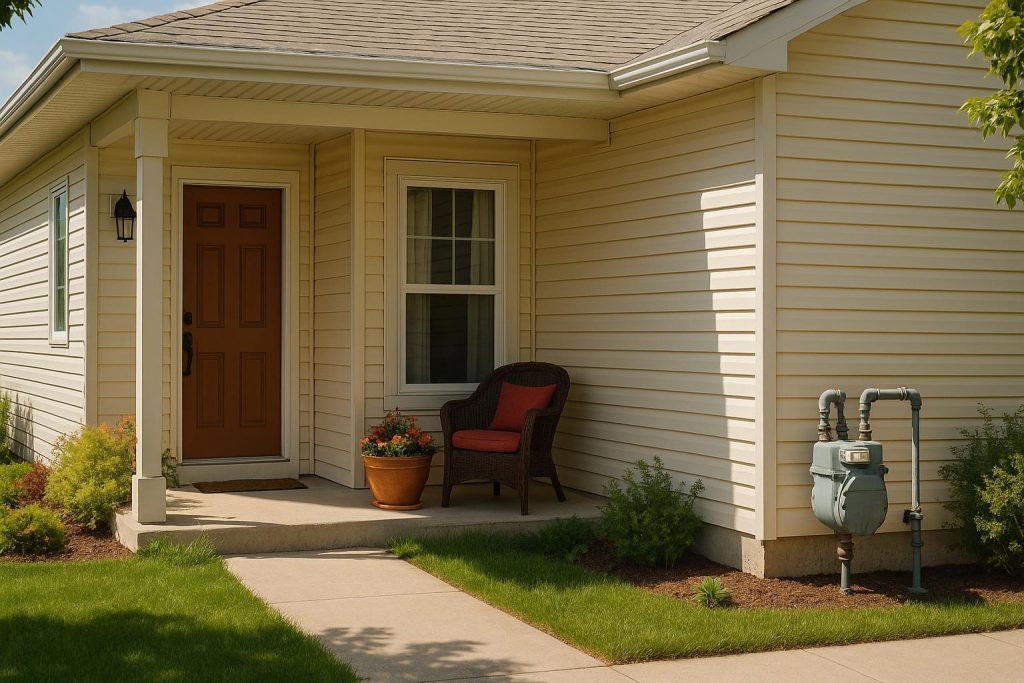
- Dedicated Gas Meter: Most natural gas setups include an outdoor meter attached to the side of the house. It typically has a dial or digital readout. If you see two distinct meters—one for electricity and one for gas—then you likely have a natural gas line connected.
- Gas Appliance Hookups: Check your furnace, water heater, stove, or clothes dryer. If any of these appliances feature burners or gas valves, that’s a strong indication you have an active natural gas supply.
- Natural Gas Billing Details: You may receive a separate line item on your utility bill (or a separate bill altogether) if you’re paying for natural gas. Some providers bundle natural gas and electricity into one plan, but it should clearly state if you’re paying for gas.
You might find you only use electricity for some appliances while others use natural gas. In Alberta, many homes use both electricity and natural gas—electricity might power your lights and electronics while natural gas heats your home and water.
How to Confirm You Have Natural Gas Service
Even if you’ve spotted some subtle indicators, you may want more certainty. Here are a few practical steps you can take:
- Inspect Your Bills: Look carefully at your monthly statements. If there’s a separate charge for a “natural gas” line item or Natural Gas Service, that’s a clear confirmation. Sometimes the line items are labeled “Gas Supply” or “Gas Usage.”
- Check the Meter Labels: Each utility meter usually has a label that clarifies if it’s for electricity or natural gas. If you see pressure gauges and piping connected to the meter, that generally indicates a gas meter.
- Ask a Professional: If you are uncertain, consider reaching out to an experienced heating, ventilation, and air conditioning (HVAC) technician or a local utility professional. They can safely confirm your service.
- Contact Your Provider: If you already pay bills to a certain utility company, a quick call or message can confirm whether your account includes natural gas. Many providers have online portals where you can log in and see the details of your supply at a glance.
Confirming your gas service can be especially helpful if you’re thinking about making changes, such as upgrading your furnace or comparing providers for more competitive rates. By knowing you have natural gas, you can plan accordingly.
Understanding the Role of Distribution Companies
It’s important to note that your local distribution company (DCO) maintains the gas lines, ensures safety, and provides essential infrastructure. These companies don’t typically handle billing or contracts. Instead, they make sure gas flows reliably through your community. If you suspect any issues with your home’s supply lines—like a leak or a pressure shortage—it’s best to contact your local DCO.
Comparing Your Electricity and Natural Gas Meters
Many Alberta homes have two meters: an electricity meter and a natural gas meter. The main differences you may notice include:
- Design: Your electricity meter may have a digital readout or a spinning dial, whereas the gas meter typically features rotating dials or numeric counters specific to gas usage.
- Piping vs. Wiring: A gas meter will be surrounded by metal pipes, whereas your electricity meter will be connected by electrical wires.
- Location: Both meters are generally outside for easy maintenance and reading, but they’re separate units that often sit at different spots along the exterior wall.
Knowing how to differentiate these meters makes day-to-day tasks easier—such as checking your usage or identifying which line needs a maintenance check.
What If You’re Still Unsure?
If you’ve inspected your home and still aren’t 100% certain about your gas setup, you have a few more options:
- Speak with Your Landlord: If you rent, ask the property owner or manager. They likely have the details on which utilities are connected and who handles billing.
- Review the Original Home Inspection Report: Many homebuyers receive an inspection that notes the type of heating system. This document often includes whether the furnace and water heater are gas or electric.
- Contact a Local Utility Partner: You can also find guidance by reaching out to an Alberta-based utility provider if you don’t receive a clear answer from other sources.
Gathering accurate information at this stage ensures you make the best decisions about your utilities. If it turns out you do not have a natural gas line, you can explore whether adding one is feasible or if you prefer to keep your all-electric setup.
When to Switch or Compare Rates
Once you confirm your natural gas service, you might consider comparing different rate plans. Energy costs can vary, so many homeowners explore fixed-rate or variable-rate plans. A fixed-rate plan often provides predictability by locking in a rate for a set term, while a variable-rate plan can rise or fall based on market conditions. Both arrangements have pros and cons, depending on your comfort with potential price changes and your household’s usage patterns.
If you’re interested in learning more about how variable- and fixed-rate natural gas options work, or if you’re simply curious about what might fit your budget, you might want to compare rates. Many providers list their options online, giving you the chance to look at monthly charges and assess whether switching would save you money. Understanding all the choices helps you decide what aligns with your lifestyle and usage habits.
Considering an Alberta-Based Provider
Because Peace Power is an Alberta-based company, it focuses on local support and transparent service—qualities that many energy customers find reassuring. If you have recently discovered that your home already has a natural gas line, taking a moment to research what different providers can offer may open up opportunities for better value, reliable service, and simple billing. With local support, you also get prompt responses should any questions arise about your meter readings, supply lines, or potential switching procedures.
One advantage of exploring local providers is that they’re more likely to understand the nuances of each region’s infrastructure in Alberta, including areas like Edmonton, Calgary, and Grande Prairie. In addition, if you ever have reason to relocate within the province, you won’t have to start from scratch in learning about different setups—you can easily shift your service within the same provider’s network.
Steps to Take If You Discover a Natural Gas Issue
On occasion, homeowners uncover problems such as suspected leaks or inconsistent gas flow. Should you experience odd smells (often described as rotten egg odors, which is an added safety scent) or hear unexpected hissing noises near your gas line or appliances, it’s best to take the following actions:
- Turn Off the Appliance: If it’s safe and easy to do so, shut down the system in question. Avoid flipping electric switches or using open flames nearby, as that could create sparks.
- Ventilate if Possible: Carefully open windows and doors to clear any accumulated gas. Remember safety is paramount; do not linger in the area if the smell is significant.
- Contact the Experts: Call your local distribution company’s emergency line or a licensed professional immediately. They can safely assess the issue.
Once the issue is resolved, you can continue enjoying the benefits of natural gas—from heating your home efficiently to cooking all your favorite meals on a gas stove.
Frequently Asked Questions
Here are a few common questions people have about confirming their natural gas service:
- Do I need to pay a separate bill for gas? Some providers combine billing, while others keep services separate. Check your statements for a breakdown of each charge.
- Is my Regulated Rate Option (RRO) the same for gas and electricity? They’re often different. RRO typically applies to electricity in many regions, though some natural gas services also have regulated rates. You’ll need to confirm with your provider.
- Can I choose a different provider for gas than for electricity? Yes. In Alberta, you can often select different providers for each type of service if you prefer. That said, some people choose a single provider for both electricity and natural gas for simplicity.
Putting It All Together
If you’ve discovered that your residence has a straightforward energy setup with both electricity and natural gas, you’re ahead of the curve in understanding your household’s utilities. If you find that something is missing or unclear, there’s no need to worry. You can reach out to your landlord, check your inspection reports, or consult local service professionals for clarity.
Navigating utility options in Alberta doesn’t have to be complicated. By confirming whether you have a natural gas line, comparing rate plans, and consulting local resources, you’ll stay informed and empowered—ready to manage your energy setup with confidence. With a bit of research and the right information, you can ensure that your home runs on the best possible service plan for your needs.
Whether you’re a longtime homeowner or a new resident in a place like Edmonton, Calgary, or Grande Prairie, having a firm grasp on your natural gas setup opens up possibilities for improved comfort, predictable budgeting, and lower stress. If you decide you’d like to explore new providers or see if there’s a plan that better fits your lifestyle, take a look at what’s available from an Alberta-based company that offers local support. You might find that switching is simpler than you think—and that better value and flexible options await you.
Ultimately, confirming your natural gas line is the first step in taking control of your home’s energy future. When you know how and where you get your heat, hot water, and gas-powered appliances, you can confidently choose the best options―and enjoy a comfortable, well-run household year-round.