Proven Strategies to Improve Energy Efficiency in Buildings
Reducing energy consumption isn’t just about lowering your bills—it’s also an effective way to support a more efficient, comfortable building environment. Whether you’re a homeowner, a renter, or a small business operator in Alberta, there are many proactive steps you can take to make your building more energy efficient. In this guide, we’ll explore practical tips for reducing energy use without sacrificing comfort or productivity, all while keeping your budget and needs in mind.
1. Understand Your Current Energy Usage
The first step in any energy-reduction plan is to understand how much energy your building consumes right now. Analyzing monthly billing statements, monitoring usage patterns, and identifying areas of high electricity or natural gas demand will help you set achievable goals. It might be something as simple as noticing that your heating system runs excessively in the winter, or that an aging appliance is driving up your electricity bills. Once you know where the energy goes, you can tackle the biggest sources of consumption first.
2. Upgrade Insulation and Seal Air Leaks
Heating and cooling systems often account for a significant portion of energy costs in both homes and commercial buildings. If your building’s insulation is poor or if you have gaps around windows and doors, your climate control system has to work overtime. That translates into higher costs and energy use. Consider the following:
- Insulate attics and walls: Proper insulation can keep indoor temperatures stable, reducing the need for constant heating or air conditioning.
- Seal windows and doors: Identify cracks, gaps, and other leaks around frames and use weather stripping or caulking to seal them.
- Upgrade windows: If feasible, invest in double- or triple-pane windows that better retain indoor temperatures.
These measures ensure that the conditioned air stays inside, creating a comfortable environment year-round with less overall energy usage.
3. Optimize Your Heating, Ventilation, and Air Conditioning (HVAC)
HVAC systems often represent one of the largest draws on energy within a building. Thankfully, there are many ways to manage them more effectively:
- Regular maintenance: Change filters, clean ducts, and schedule inspections to keep your system performing at its best.
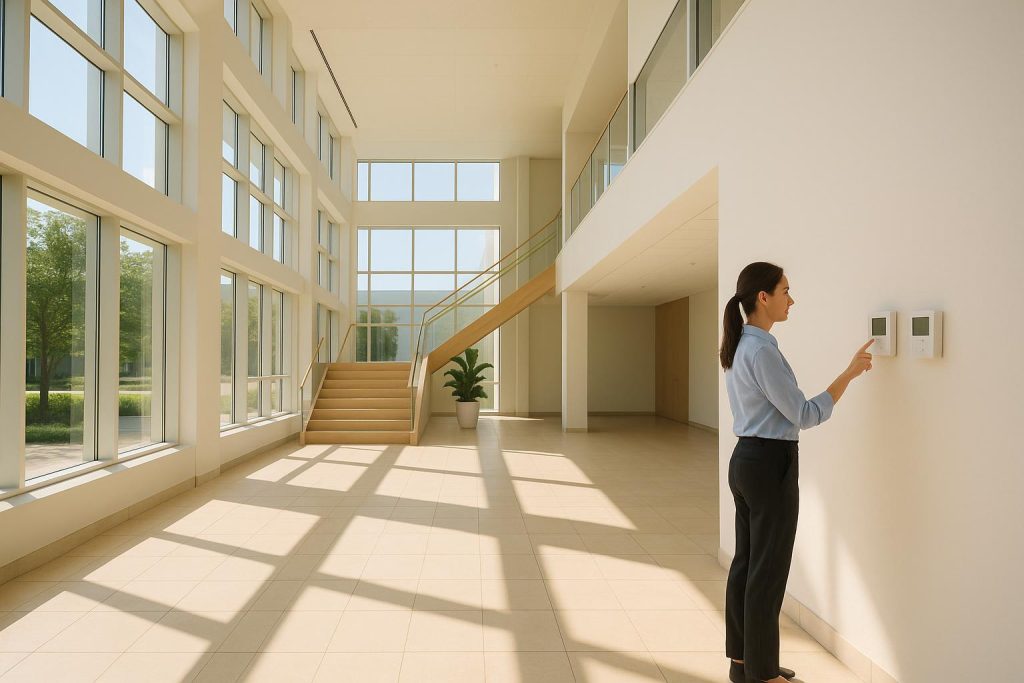
- Use a programmable thermostat: Automatically setting lower temperatures for nights or times when the building is empty helps control energy consumption.
- Smart zoning: If the system allows, segment different parts of the building into zones so that you only heat or cool the areas in constant use.
- Upgrade to efficient models: Older furnaces and air conditioners can be replaced with new, high-efficiency models if the existing system is nearing the end of its life.
These adjustments can result in meaningful energy savings while preserving comfort. Being thoughtful about the system’s runtime is especially valuable if you’re aiming to cut down on monthly utility bills.
4. Rethink Your Lighting Choices
Lighting is another common source of energy consumption, particularly in commercial spaces. Fortunately, several simple strategies help reduce lighting costs:
- Switch to LEDs: Light-emitting diode (LED) bulbs use a fraction of the energy used by older incandescent and fluorescent bulbs, and they last significantly longer.
- Rely on natural light: Whenever possible, maximize daylight by opening blinds and arranging layouts to make the most of windows and skylights.
- Install motion sensors or timers: In rooms or corridors that are infrequently used, motion sensors ensure lights only come on when needed.
- Dimmer controls: Dimmer switches reduce energy use by allowing you to set the lighting level that’s truly required for the space.
While upgrading to LED bulbs might require a modest initial investment, the long-term savings on your electricity bills often pays for itself many times over.
5. Use Appliances and Electronics Wisely
From computers and televisions to refrigerators and ovens, appliances and electronics contribute substantially to daily energy consumption. To avoid unnecessary energy use, be mindful of:
- Energy Star certification: Look for products labeled with an Energy Star rating, as they meet strict guidelines for efficiency.
- Unplug unused devices: Many electronics draw power even when switched off if they remain plugged in. This “phantom load” adds up over time.
- Use power strips: A power strip makes it easy to turn off multiple devices at once, eliminating standby power consumption.
- Consider timing: Some utility plans may offer better rates during off-peak hours. Running high-consumption appliances like dishwashers or washing machines at these times can save on costs.
Small behavior changes can add up to a significant reduction in your overall monthly energy usage. This is especially apparent in businesses that rely on multiple computers, servers, or refrigeration units.
6. Employ Efficient Water Heating
Water heaters are often overlooked when it comes to energy consumption, but they can be one of the biggest contributors to utility costs—especially in larger buildings with high demand. To improve water heating efficiency:
- Lower your water heater’s temperature: Adjust the thermostat to a moderate setting that meets needs without overheating the water.
- Insulate your water heater and pipes: Adding insulation reduces heat loss, meaning the system doesn’t have to run as frequently.
- Consider tankless systems: Tankless or on-demand water heaters use energy only when hot water is needed, leading to fewer standby losses.
By tightening up water use and ensuring your heating system is sized for your building’s requirements, you can see an immediate difference in your monthly bills and overall energy footprint.
7. Encourage Behavioral Changes and Engagement
Whether you live in a single-family home or run a busy commercial space in Alberta, getting everyone on the same page about energy conservation is key. Building occupants have a direct impact on overall usage. Here’s how you can cultivate a culture of conservation:
- Educate occupants: Provide tips on turning off lights, using computers efficiently, and setting thermostats responsibly.
- Set benchmarks or goals: Track energy usage each month and reward progress if you meet or exceed reduction targets.
- Lead by example: If you’re a business owner, show your employees you’re committed to efficiency by making thoughtful changes in office operations and common areas.
When everyone understands why energy efficiency matters and how it benefits them, it’s far easier to maintain collective momentum toward lower consumption.
8. Take Advantage of Alberta-Based Resources
If you’re located in Alberta, you may have access to targeted programs, rebates, or informational resources that help you reduce energy consumption. Additionally, some providers can offer rates and plans tailored to local conditions. Whether you’re choosing a fixed-rate or variable-rate plan, finding the right option for your usage can make a tangible difference.
For example, you might opt for a provider that offers Electricity Services designed with simplicity and competitive rates in mind. Working with a local, Alberta-based provider will often deliver more personalized, customer-first approaches, and a deeper understanding of regional energy demands. By selecting the plan that fits your building’s unique profile, you can manage your energy costs more effectively.
9. Regularly Review Your Utility Rates
Beyond implementing energy-saving improvements, it’s also wise to review your utility plan from time to time. Energy markets can fluctuate, and new rate options may become available. A well-suited plan can ensure you aren’t overpaying for electricity and natural gas. Here are some steps you can take:
- Investigate fixed-rate plans: Locking in your rate can offer security during times of market volatility, keeping your bills predictable.
- Consider variable-rate flexibility: This can be beneficial if you expect energy prices to fall or your building’s consumption is lower in certain seasons.
- Assess your consumption patterns: If you know your peak usage periods, you can often find a plan that better aligns with your schedule.
When you understand how your building uses energy, a quick look at different rates can clarify how to select the most cost-effective solution for your needs.
10. Invest in Ongoing Maintenance and Upgrades
Reducing energy consumption isn’t a one-time fix—it’s an ongoing commitment. As your building evolves, you’ll need to keep up with regular preventative maintenance, appliance upgrades, and system checks. Examples include:
- Frequent equipment inspections: Making sure your HVAC, boiler, and other large systems are regularly maintained prevents performance decline.
- Lighting and appliance upgrades: Technology advances quickly, so consider upgrading to newer, more efficient models over time.
- Building automation systems: Automating lighting, HVAC, and even security can give you more control, reducing wasted energy during off-peak hours or weekends.
While some improvements may require an upfront investment, the long-term savings often justify the cost—especially since energy-efficient choices can extend the life of vital systems and enhance the building’s resale value.
11. Measure Your Success
Once you start making changes, tracking and measuring your progress is an excellent way to stay motivated. Keep an eye on metrics such as monthly utility bills, overall consumption (in kWh for electricity or gigajoules for natural gas), and building occupancy patterns. If the numbers trend downward over time, you’ll know your efforts are working. If not, revisit your plan and identify which adjustments might help you meet your energy goals. Regular evaluation ensures you remain on track and that your initiatives deliver real, measurable benefits.
12. Why a Customer-First Approach Matters
Saving energy in your building benefits your wallet, but it also contributes to a more comfortable and sustainable environment. Alberta-based providers that focus on local support and straightforward energy plans can equip homes and businesses with flexible options. When the provider is community-minded, you can expect practical advice, clear billing, and tools that are easy to use. All of these factors combine to create a partnership that helps you maintain control over your energy usage and costs.
Putting It All Together
Using less energy in a building takes a blend of thoughtful design, smart habits, and the right choices about utility rates. Here’s a quick recap:
- Identify your biggest energy consumers before making changes.
- Seal air leaks and improve insulation to maintain comfortable, stable indoor temperatures.
- Maintain your HVAC system, and consider upgrading to modern, high-efficiency models.
- Use LED lighting, natural daylighting, and dimmers to minimize lighting costs.
- Shop for efficient appliances and reduce phantom loads by unplugging devices you’re not using.
- Better manage water heating through lowered temperature settings or tankless systems.
- Engage everyone in the building—workers, family members, or tenants—and encourage energy-efficient behaviors.
- Regularly review your utility plan, whether you choose a fixed-rate or variable-rate option.
- Track your progress over time and make improvements as needed.
These steps will help you get started on a journey toward lower energy costs and a more comfortable building environment. If you’re looking for additional ways to optimize your monthly expenses or want to compare rates for your electricity services, it may be worth checking out providers in your region that offer local support and transparent, competitive rates. For instance, you can take a look at Rates available through some Alberta-based companies to see how different plans align with your building’s needs.
Ultimately, reducing energy consumption is about building a framework of best practices and continuing to refine it. With the right plan and a commitment to ongoing evaluation, you can keep energy usage in check while still enjoying safe, reliable, and comfortable living or working spaces. Over time, you’ll likely notice the ripple effects: lower operating costs, enhanced property value, and a collective confidence that you’re making responsible decisions for your home or business. By staying proactive, you set the stage for lasting benefits—and you may find that saving energy becomes second nature in your building’s daily operations.