Staying Safe With Your Natural Gas Fireplace at Home
Many households enjoy relaxing in front of a warm, glowing natural gas fireplace. These fireplaces often add a sense of comfort to living areas and can be simple and affordable alternatives to wood-burning options. Yet, safety remains a priority. Understanding best practices for installation, maintenance, and ventilation can help you enjoy the cozy atmosphere without worry. In this guide, we’ll dive deep into what makes natural gas fireplaces safe, how to reduce risks of carbon monoxide exposure, and simple steps to maintain them over time.
1. Why Choose a Natural Gas Fireplace?
Natural gas fireplaces are popular because they are convenient and typically easier to manage than wood-burning models. There’s no need to store firewood or struggle to start a fire—all you have to do is flip a switch or use a remote to ignite the burner. They also produce consistent warmth with cleaner combustion, making them a hit among homeowners. Moreover, they can be paired with modern, straightforward energy plans, allowing you to manage your natural gas usage more confidently.
In Alberta, where winter temperatures can drop significantly, the reliability of a natural gas fireplace is key. Beyond consistent warmth, these models produce fewer soot particles, which helps keep your home’s interior cleaner. This can also mean less time spent on fireplace upkeep. Overall, many people find that a natural gas fireplace offers a nice balance of convenience, ambiance, and efficiency.
2. How Do Natural Gas Fireplaces Work?
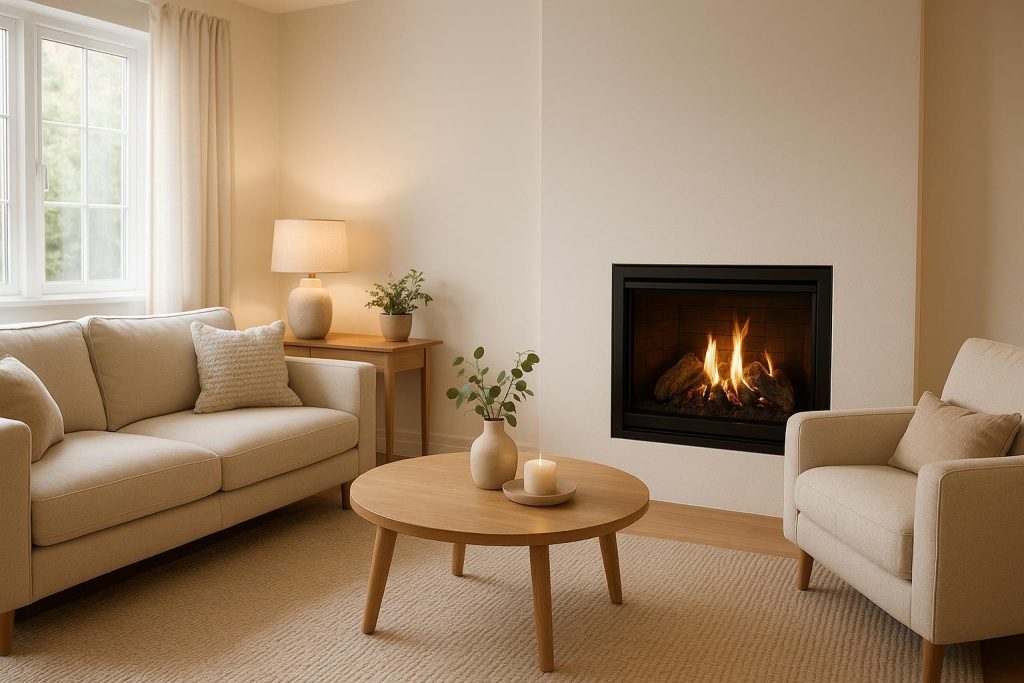
A natural gas fireplace contains a burner that’s connected to the home’s natural gas line. When ignited, the gas heats up a simulated log set or similar feature, providing the look and feel of a traditional fire. Quality models come with ignition systems that regulate the flames based on your settings. Some even feature thermostats, so your fireplace can adjust its heat output automatically.
These fireplaces are designed with safety in mind. They typically include a control valve to monitor the gas flow and a pilot light or electronic ignition system to start the flame. Vents or chimneys channel fumes out of the home, preventing harmful gases from lingering indoors. With proper installation, natural gas fireplaces can be a reliable source of heat without overburdening your living space with smoke or ash.
3. Main Safety Features to Look For
When scouting a natural gas fireplace, you’ll likely encounter several key safety features:
- Automatic Shut-Off: If the pilot light goes out or if carbon monoxide levels rise, many units have sensors that automatically shut down the gas supply.
- Protective Barriers: Glass enclosures and screens reduce the risk of accidental contact with flames, especially important in homes with children or pets.
- Sealed Combustion Chambers: Modern direct-vent gas fireplaces draw air from outside, limiting chances of exhaust or fumes entering your living area.
These features work together to minimize safety hazards. Make sure to identify which ones come standard in the model you’re considering so that you can rest easy once you install or upgrade your fireplace.
4. The Importance of Proper Installation
Even the most advanced gas fireplace isn’t safe if installed incorrectly. A professional technician understands local codes and knows how to properly connect the unit to your home’s natural gas line. They’ll also handle ventilation, ensuring that the vents or chimney systems are aligned and sealed to prevent flue gases from leaking back inside.
Working with a licensed installer is a smart way to maintain a customer-first approach to safety. These experts verify that everything—from the burner to the glass panels—is set up right. If you’re in Alberta, you might find that many local professionals are familiar with the region’s building requirements and can offer guidance on your utility plans, especially if you rely on Natural Gas Services for your home. By choosing an Alberta-based service with local support, you can benefit from timely follow-ups or onsite visits if any issues arise later.
5. Ventilation: An Essential Factor
Ventilation is the process of carrying combustion gases, such as carbon monoxide, out of your home. Direct-vent fireplaces are popular because they pull in fresh air from outside and vent exhaust directly out. This helps keep indoor air clean and prevents the buildup of potentially harmful gases.
A natural gas fireplace without proper ventilation is a safety issue. Carbon monoxide might accumulate, leading to symptoms like headaches, dizziness, and in severe cases, unconsciousness or worse. For peace of mind, consider adding carbon monoxide detectors near every sleeping area and on each floor of your home. These detectors can provide an early warning of any dangerous gas buildup, which is crucial if your fireplace or appliances ever malfunction.
6. Understanding Carbon Monoxide Risks
Thankfully, carbon monoxide poisoning is less likely with a natural gas fireplace when it’s installed and maintained correctly. Still, it’s important to stay informed. Carbon monoxide is a colorless and odorless gas, so you can’t detect it by smell or sight. A detector is one line of defense, but paying attention to your fireplace’s performance is another. If you notice soot accumulation on logs or glass, or if the flame burns yellow instead of blue, it might be a sign of incomplete combustion.
An annual inspection by a qualified technician can help identify early signs of trouble. They’ll confirm that your burners are functioning correctly and that ventilation isn’t compromised. Being proactive ensures you’ll enjoy consistent warmth without the worry of carbon monoxide sneaking into your living room.
7. Maintenance for Long-Term Safety
Maintaining your fireplace involves more than a quick glance at the exterior. Ongoing care is essential for preserving both safety and performance. Here are a few steps to keep in mind:
- Annual Inspection: Schedule a professional checkup at least once a year. Even if your fireplace appears to be working smoothly, a closer look can reveal hidden issues.
- Cleaning the Glass and Logs: Gently remove dust or residue from the glass surface according to the manufacturer’s guidelines. Clean logs if recommended, being careful not to disturb the burner.
- Checking Seals and Gaskets: Make sure the fireplace doors and vents form an airtight seal to prevent air leaks.
By committing to these small steps, you pave the way for reliable service and a more enjoyable experience with your fireplace. When used together, professional inspections and simple routine care can significantly extend your appliance’s lifespan.
8. Keep an Eye Out for Gas Leaks
If your fireplace or any other natural gas appliance develops a leak, it could release gas into your home. Natural gas is often given a distinct “rotten egg” odor to help you detect leaks quickly. If you ever smell this sulfur-like scent:
- Turn off the gas source if possible.
- Open windows to let fresh air in.
- Evacuate the area, and do not flip any light switches.
- Contact your gas provider or an emergency line once you’re safely outside.
Gas leaks are uncommon when fittings and connections are maintained properly, but they can happen. Quick, calm action is key. Thanks to flexible options for modern fireplaces and thorough inspections, you can minimize these risks and enjoy a worry-free environment.
9. Common Mistakes to Avoid
While natural gas fireplaces are generally safe, there are a few mistakes homeowners sometimes make. Here’s what to steer clear of:
- Blocking Air Vents: Ensure furniture, drapes, or decorative items aren’t covering the vent or airflow. Reduced ventilation could lead to a build-up of carbon monoxide.
- Skipping Maintenance: It’s tempting to skip an annual checkup if things seem fine, but hidden problems can escalate over time.
- DIY Repairs: Unless you’re trained in appliance repair, avoid trying to fix gas lines or controls yourself. Call a professional to stay on the safe side.
Avoiding these pitfalls helps keep your fireplace running smoothly year-round. By being mindful of small issues like vent blockages or ignoring maintenance schedules, you’ll ensure your fireplace remains both functional and safe.
10. Additional Safety Tips and Considerations
You can take extra measures to maintain a customer-first, safe environment in your home. Consider these additional pointers:
- Childproofing: Use protective screens or barriers if you have kids or pets. The glass front can get hot enough to cause burns.
- Clear Space: Keep a clear zone around the fireplace free from rugs, curtains, or magazines that might catch on fire.
- Monitor the Flames: Observe your fireplace flame color. A bright, steady blue flame typically indicates efficient combustion. Flickering yellow or orange flames, if not part of the design, may signal a problem.
Remember, a natural gas fireplace is a valuable part of your home that offers a comforting place to gather. By respecting the safety guidelines, you help ensure that it will bring warmth and enjoyment for years to come.
11. Evaluating Natural Gas Options in Alberta
As an Alberta-based utility provider, Peace Power knows that local support can make a big difference when you have questions about natural gas usage. Whether you own a single-family home or rent an apartment, reliable service matters. It’s easy to switch providers if you value transparent billing or want to choose your plan, especially if you prefer a fixed-rate or variable-rate approach to managing expenses. This can be especially helpful if you already depend on natural gas for both home heating and your fireplace.
If you’re exploring how to lock in your rate or compare different energy offerings, you may consider browsing Rates to see what works best for your household. Beyond fireplaces, natural gas also powers furnaces, water heaters, and more. Having a straightforward energy plan that aligns with your fireplace usage is a smart way to keep your monthly expenses predictable.
12. Creating a Cozy, Worry-Free Living Space
At the end of the day, the main question is whether a natural gas fireplace can be a safe, cozy part of your home life. The answer is yes—provided you install it the right way, maintain it regularly, and follow guidelines on ventilation. And if you live in a place with cold winters, as many Albertans do, a natural gas fireplace can make all the difference in staying comfortable during those chilly months.
Yearly professional checkups act as your first line of defense against problems like gas leaks, carbon monoxide buildup, or inefficient combustion. Combine that with everyday vigilance, such as keeping vents clear and adding carbon monoxide detectors, and you’ll have a reliable source of warmth for you and your family.
Overall, natural gas fireplaces not only offer aesthetic appeal but also enhance your environment when paired with local support and flexible options from an energy provider that understands your needs. By taking these steps, you can settle in front of a flickering fire without concern, confident that your home is both warm and well-protected.
In short, a properly installed and maintained natural gas fireplace is safe for your household. Stay consistent with annual inspections, practice good ventilation habits, and monitor your fireplace’s performance. These practices ensure a welcoming and comfortable place to gather, reflecting the best of both ambiance and safety.