Understanding Demand Charges in Your Electricity Bill
When it comes to your electricity bill, there are several components that help energy providers recover the costs of delivering power to businesses and homes. One of the most important—yet often misunderstood—components is the demand charge. Although this charge might not appear on all residential bills, it is a common feature on many commercial or industrial accounts, and even some larger home setups with higher energy usage. If you’ve ever wondered why your electricity statement includes a “demand” line item, this article will help shed light on how demand charges are calculated, why they exist, and what you can do to better manage them.
What Exactly Is a Demand Charge?
The demand charge is a fee that reflects the maximum level of electricity a business or property “demands” within a specific timeframe—usually measured in kilowatts (kW). The higher the peak demand, the more resources the grid needs available at once to meet that moment of high power usage. For example, if a factory starts up all its machinery at the same time, it creates a larger spike in demand than if it staggers the equipment start-up. The demand charge is set up to account for those spikes because the utility company must ensure enough electricity is available at every moment—even during short bursts of exceptionally high usage.
Why Do Demand Charges Exist?
Electricity providers and grid operators face substantial costs when ensuring that enough infrastructure is available to handle peak load conditions. This includes power generation facilities, transformers, substations, and distribution lines that must be sized to accommodate the highest possible demand customers might draw. Demand charges help cover the cost of maintaining these resources. In effect, you’re paying not just for how much energy you use on average, but for how fast you wish to use it when your usage peaks.
In Alberta, where many businesses rely on stable and efficient electricity distribution, these charges become critical for ensuring the local grid remains reliable. For both large businesses and local shops that operate on varying schedules, demand charges can be a significant factor in monthly energy expenses.
How Are Demand Charges Measured?
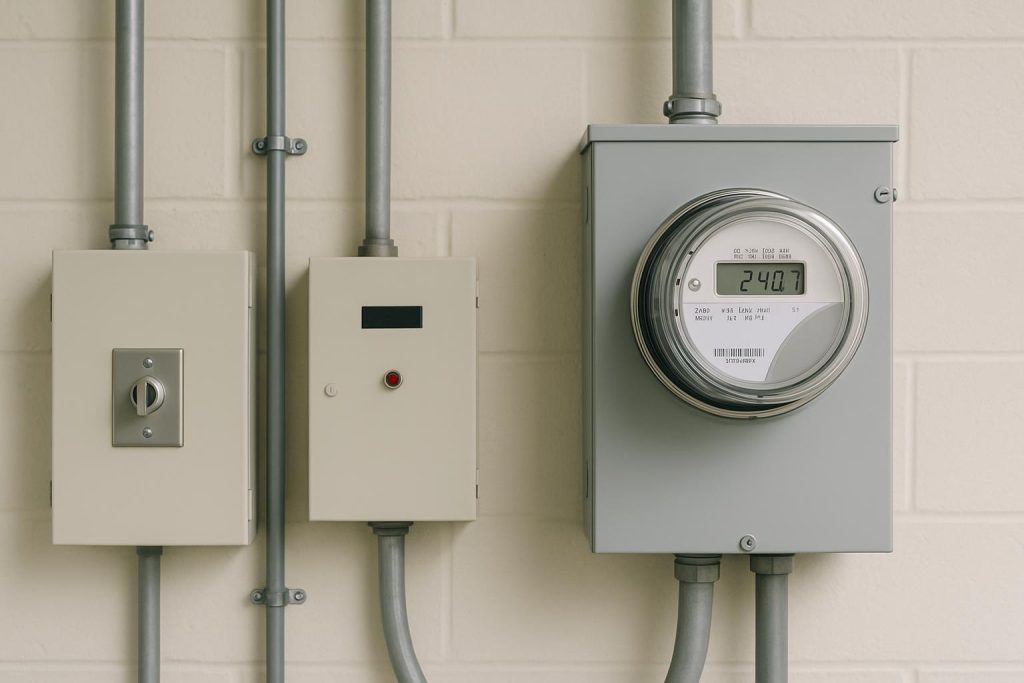
Typically, your utility monitors your electricity usage in intervals—sometimes every 15 minutes, sometimes every 30 minutes, depending on the meter technology and the utility company. At the end of each billing period, your highest demand interval is recorded, and that peak gets multiplied by a specific rate to determine your demand charge. For example, if your highest 15-minute average in a given month is 50 kW, then your monthly demand charge would be:
- Demand charge rate multiplied by 50 kW equals the amount you pay for demand that month.
Every month resets this calculation. If you reduce or shift your peak usage to off-peak times, your demand charge in the following billing cycle may decrease.
Calculating Demand Charges in Real Terms
Imagine a small production facility that operates multiple machines, each using a significant amount of power. Let’s look at a simplified example:
- Peak demand period: One day, the business switches on multiple machines at once, reaching a 70 kW level within a 15-minute window.
- Rate calculation: If the demand rate is $10 per kW, then the demand portion of that month’s electricity bill would be 70 kW × $10 = $700.
Even if the facility’s average usage for the month is not extremely high, that short window of 70 kW sets the peak demand for billing. That’s why it’s crucial for businesses, especially in areas like Edmonton, Calgary, or Grande Prairie, to closely monitor their usage patterns or explore strategies like staging the operation of large equipment to avoid hitting these high demands all at once.
Fixed-Rate vs. Variable-Rate Electricity and Demand Charges
For many business owners exploring their electricity plan options, there may be confusion between the concept of supply rates (whether fixed or variable) and demand charges. While your energy rate typically applies to the volume of kilowatt-hours (kWh) you consume, the demand charge is an additional component based on your highest usage spike.
Even if you opt for a fixed-rate electricity plan, the demand charge can vary from month to month, depending on your usage patterns. A variable-rate plan does the same in terms of energy charges—those costs fluctuate with market conditions. Demand charges, by contrast, focus on the capacity you need at the moment of peak consumption, rather than the total kilowatt-hours consumed.
Common Strategies to Reduce Demand Charges
Since the demand charge is largely determined by how you use electricity over short periods, there are practical ways to mitigate the financial impact:
- Stagger Equipment Use: Instead of turning on all major machinery at once, schedule them to start at different times. This lowers the overall peak load.
- Load Shifting: If possible, shift certain operations to off-peak hours when the grid is less stressed. This often helps reduce your peak period demand and can also help if your energy supplier incentivizes off-peak usage.
- Power Factor Correction: Some facilities benefit from equipment upgrades or adjustments that improve their power factor. In doing so, you might reduce the kVA demand, which can ultimately help lower costs in some rate structures.
- Energy Storage or Distributed Generation: Businesses with particularly high peaks might use on-site battery storage to handle short bursts of demand or consider generation methods that reduce the load from the grid.
These strategies not only lower your demand charges but also foster more reliable operations and promote energy efficiency. If you’re unsure which route to take, seeking professional advice or contacting local support teams can be wise. This customer-first approach is central to how many electricity services providers in Alberta aim to help businesses thrive.
Residential Demand Charges
Although demand charges are frequently associated with commercial and industrial electricity accounts, some residences with higher energy usage—especially large homes with significant heating, cooling, or electric vehicle charging needs—might also see demand-related line items. However, this practice largely depends on the utility’s rate design. If you live in a residence that sees unusually high energy usage in short bursts, you may be switched or assigned to a rate plan that includes a demand component. Understanding how this is calculated follows the same principles: your highest 15- or 30-minute usage interval in a billing cycle determines the fee.
For homeowners in Alberta who want simple and affordable energy options without navigating the complexities of demand charges, it can be helpful to look into a straightforward energy plan. While certain regulated costs always apply, selecting a plan that fits your usage pattern can help mitigate surprises on the bill.
Why Monitoring Your Peak is So Important
Many electricity consumers focus almost exclusively on their monthly usage in kWh, tracking how much total energy they consume. But if you’re billed based on peak events, you might be missing the bigger picture. Large, short-term spikes in consumption can seriously impact your costs. That’s why many businesses—and some well-organized households—track not just how much energy they use, but when and how quickly they use it.
A real-world example: a grocery store that runs multiple compressors for refrigeration might see large spikes at specific times of the day. If the store can schedule defrost cycles or additional cooling stages when fewer lights and cooling devices are running, it may reduce that short-term peak, thereby reducing the monthly demand charge.
Examining Your Electricity Bill
When you look at a bill that includes a demand charge, you’ll usually see separate line items for:
- Energy Charges: The per-kilowatt-hour cost times your total consumption.
- Demand Charges: A rate multiplied by your highest kW reading, or sometimes kilovolt-ampere (kVA). This figure might be listed as “Metered Demand” or “Peak Demand.”
- Distribution/Transmission Fees: The regulated cost of transporting electricity to your location via power lines and substations. These can be partly fixed or partly variable depending on your usage.
Some providers will also show smaller charges for administration or other regulated system costs. If you have questions about a particular line item, it’s always best to contact your provider. Being proactive can help you find ways to manage costs—especially the demand portion, which can fluctuate from month to month.
The Role of Customer-First Service in Demand Management
Demand charges can seem daunting, but many local providers strive to empower customers with the knowledge and tools to manage their energy properly. With supportive resources like usage tracking, detailed billing data, and flexible options, even businesses with significant electricity needs can reduce high peaks and save on monthly costs. When a provider focuses on making rates clear, explaining how peak intervals work, and simplifying the process for adjusting operational schedules, it ultimately benefits both the company and the customer.
In Alberta’s energy market, having local support can make all the difference. A provider that understands the local climate, seasonal demand patterns, and the unique challenges of small business owners can tailor suggestions that actually help. “Transparency and flexibility” are more than buzzwords—they’re essential in ensuring reliable service that meets each customer’s needs.
How Demand Charges Fit into Your Overall Energy Strategy
If you’re a growing business or even a homeowner exploring ways to manage expenses, consider your electricity consumption from two angles: how much you use overall, and what your peak looks like during high-demand periods. Both can increase costs, but peak usage tends to have an outsized effect on large business bills. By monitoring and altering your peak demand behavior, you can often see substantial savings over time.
Moreover, being mindful of your demand profile can help you select the right plan. Sometimes a fixed-rate electricity plan combined with strategic load management is ideal; other times, a variable-rate option might work better if you can shift usage away from higher-rate times of day. Regardless, the more you know about how your demand is calculated, the easier it becomes to make an informed decision.
Practical Steps to Start Reducing Demand Charges
Here is a quick checklist if you’re aiming to reduce peak demand on your next bill:
- Identify Major Loads: Note any equipment or systems that draw especially large amounts of power.
- Schedule Changes: If operationally feasible, schedule large loads at different times or move them to non-peak hours.
- Optimize HVAC Systems: Heating, ventilation, and air conditioning can be staggered or run when the rest of the facility is at low consumption.
- Consult the Experts: Many electricity suppliers or local energy consultants in Alberta can analyze your usage data and provide specific recommendations.
These practical steps can make a difference. By understanding the intricacies of how these charges are calculated, you’ll be better positioned to run your operations more efficiently, plan your budget more predictably, and enjoy a more affordable monthly bill.
Key Takeaways
Demand charges are based on the highest volume of electricity you draw in a short timeframe. The utility calculates this peak, typically in kW, and multiplies it by a demand rate to determine this portion of your monthly bill. Although often associated with commercial customers, some larger residential setups might also encounter demand charges. Understanding how these charges work—and learning to manage or shift your peak usage—can make a substantial difference in your monthly energy costs.
Staying mindful of both your total consumption and your peak demands can help you find the right energy approach. Whether you’re considering a fixed-rate or variable-rate option, or want to explore straightforward energy plans, the key is to keep track of demand intervals and plan your usage accordingly. By doing so, you’ll not only reduce costs but also maintain a more reliable operation—especially crucial for businesses with sensitive equipment and time-critical processes.
Ultimately, demand charges are just one part of a bigger energy picture. Yet, they play a crucial role in how electricity is delivered and priced. By being proactive, seeking local support, and optimizing your usage patterns, you can keep your demand charges in check while enjoying a dependable, customer-first energy experience.