Understanding the Dispute Process for Utility Bills in Alberta
Utility bills in Alberta can sometimes spark confusion or concern, leading individuals or businesses to question whether they have been charged correctly. Fortunately, there is a structured process—and multiple resources—for anyone seeking to dispute a charge on their electricity or natural gas bill. By understanding your bill, documenting your usage, and knowing how to escalate concerns, you can resolve most disputes quickly and fairly. In this guide, we’ll walk you through the key steps, outline your rights, and discuss strategies for addressing common billing issues.
Why Disputes Happen
When it comes to energy billing, a range of factors can lead to disputes. Some of the most common causes include:
- Meter Reading Discrepancies: If a meter was read incorrectly (or estimated readings were used), it could result in an inaccurate charge.
- Price Plan Confusion: Confusion sometimes arises when customers switch between fixed-rate and variable-rate plans, as each type of rate structure can affect how charges are calculated.
- Additional Fees or Adjustments: Distribution, transmission, and local access fees might appear on your bill, and you may dispute them if you believe they have been calculated incorrectly.
- Misapplied Credits or Payments: Occasionally, payments or credits are applied to the wrong account or are not posted in time, causing unexpected charges.
- Incorrect Personal Information: Mistakes in name, address, or account numbers can lead to charges that belong to a different person or location.
Understanding why discrepancies occur is the first step toward a resolution. Once you identify the potential source of the billing error, you can begin the dispute process with confidence.
Step 1: Review Your Utility Bill in Detail
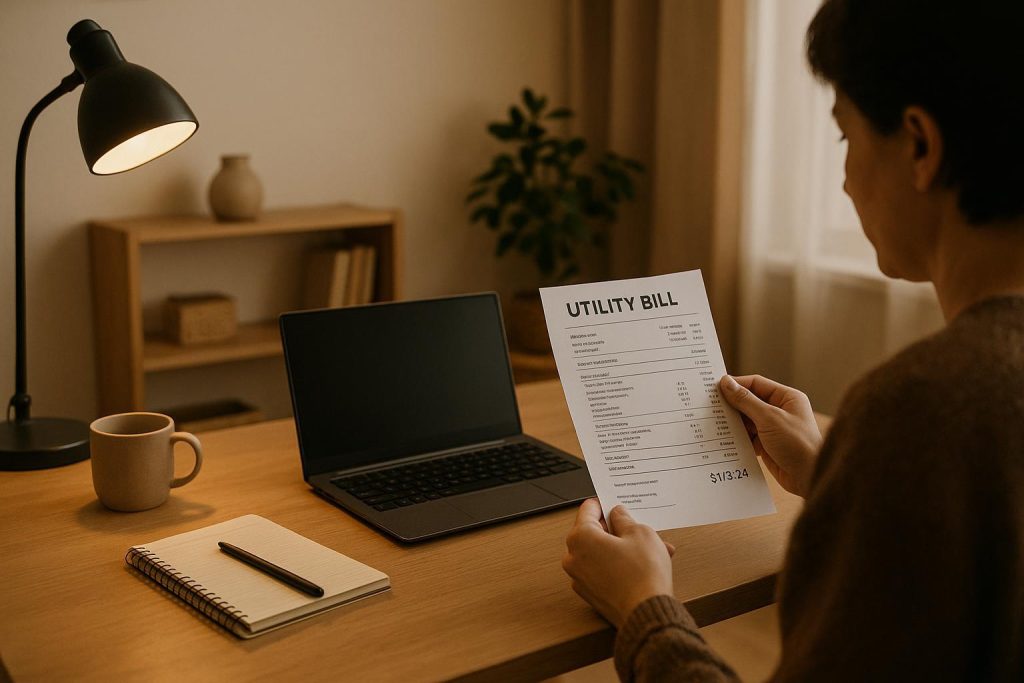
Before contacting your provider, thoroughly review the details of your utility bill. Look for line items like energy consumption (in kilowatt-hours for electricity or gigajoules for natural gas), distribution tariffs, and any taxes or surcharges. Pay special attention to:
- Reading Dates: Make sure the usage dates on your bill align with the days you actively used service.
- Meter Read Types: Bills sometimes indicate whether the meter reading was actual or estimated. Estimated readings can be inaccurate, so double-check these calculations.
- Rate Structure: Are you on a fixed-rate or a variable-rate plan? Verify that the rate per unit (kWh or GJ) matches the plan you initially signed up for.
- Fee Summaries: Distribution and transmission charges should be itemized clearly. If they seem unusually high or out of range, note these details for your records.
Taking the time to understand your billing structure is helpful even if you do not end up filing a dispute. It gives you a baseline for what normal fluctuations look like and helps ensure clarity on future bills.
Step 2: Gather Supporting Documentation
If you plan to challenge a specific charge, it’s best to have documentation ready. Here are some documents you may wish to collect:
- Past Bills: Comparing current charges to past months can show a sudden spike or inconsistency in your usage or fees.
- Meter Reading Logs: If you regularly record your own meter readings, these numbers can help confirm whether the utility’s reading aligns with yours.
- Correspondence with Your Utility Provider: If you have had ongoing conversations about technical issues or changes to your account, keep copies of emails or letters that might support your dispute.
Documentation builds your case and helps you pinpoint the exact source of your concern. The more specific you can be, the easier it will be to request corrective action from your provider.
Step 3: Contact Your Utility Provider
Your first point of contact when disputing a bill should always be your utility provider. In Alberta’s deregulated market, you can purchase electricity and natural gas from various competitive retailers or from the Regulated Rate Option (RRO). Whether you’re with a traditional company or an Alberta-based provider known for simple and affordable service options, the process is similar. Be sure to:
- Call or Email the Right Department: Ask for the billing or accounts department, as they typically handle disputes.
- Stay Calm and Polite: It can be frustrating if you believe you’re being overcharged, but keep the discussion productive by maintaining a respectful tone.
- Clarify the Issue: Clearly articulate what part of the bill you are disputing and why you believe it’s inaccurate.
- Supply Evidence: Provide the documentation you gathered (meter reads, past bills, etc.) to back up your position.
- Take Notes: Record any reference number for your dispute and note the time, date, and name of the representative you spoke with.
Many problems are resolved at this stage. If your provider finds an error, they will typically issue a correction or credit on your next bill.
Step 4: Escalate the Issue If Necessary
If initial contact does not resolve the dispute, you can escalate the matter further. You may want to:
- Request a Supervisor Review: Speak with a supervisor or manager within the billing department for additional insight.
- File a Formal Complaint: Many utility companies, including local providers and large retailers, have a formal complaint process. Submitting a complaint in writing may result in a more detailed investigation.
- Contact the Alberta Utilities Commission (AUC): The AUC regulates the utilities market. If you cannot reach a satisfactory resolution with your provider, consider contacting the AUC to learn more about your rights and further dispute options.
Throughout this process, continue to track all communications. Staying organized puts you in the best position to follow through on a dispute until it’s fully resolved.
Understanding Your Rights as an Alberta Consumer
In Alberta, consumer protection regulations focus on fairness and transparency. That means:
- You can request details on how your bill was calculated and expect a prompt response.
- You have the right to a clear breakdown of charges, whether you’re on a straightforward energy plan or a more complex rate structure.
- If you’re unsatisfied with a resolution, you have avenues to escalate your concerns, including lodging formal complaints with regulatory bodies.
Knowing you have these rights encourages a more confident approach when disputing any charge that feels incorrect. While it may take some time to navigate the entire process, Albertans do have protections and resources to help ensure fair billing practices.
How Peace Power’s Approach May Assist
As an Alberta-based utility provider, Peace Power focuses on offering local support while keeping its customer-first philosophy at the forefront. Part of that commitment includes explaining how rates and fees are calculated, whether a customer is on a fixed-rate or variable-rate electricity or natural gas plan. A provider that offers flexible options, like Peace Power, typically aims to ensure:
- Clear Billing: Detailed line items that help you see exactly where charges come from.
- Reliable Service: Transparent and straightforward energy plans designed for local communities.
- Easy-to-Reach Customer Service: Quick support can make resolving disputes or questions less of a hassle.
If you are currently exploring your options for electricity or natural gas, you can learn more about Electricity Services or Natural Gas Services that offer competitive rates across Alberta. You may also want to compare different plans on the Rates page to see if switching could make a difference in your overall billing experience.
Frequently Asked Questions
1. Should I pay the disputed charge before it’s resolved?
Generally, utility providers recommend paying the portion of the bill you do not dispute to avoid late payment charges. Pay for the undisputed amount and inform your provider in writing that you are withholding the disputed portion until it can be reviewed. Confirm the specific policy with your provider to ensure you do not incur penalties for partial payments.
2. Can I switch to another provider if I have an open dispute?
In most cases, you can switch to a different provider. However, you will still be responsible for any charges accrued during the disputed period. If you are considering whether to switch, research your options thoroughly. Look at providers offering simple and affordable rate structures, along with local support, so you can avoid potential billing surprises in the future.
3. How long does it usually take to resolve a dispute?
Timelines vary. Some issues resolve after a single phone call if the utility provider identifies an obvious error. More complex disputes—especially those involving complaints to the Alberta Utilities Commission—could take weeks or even months. Staying organized and providing clear documentation can speed up the process.
4. Who do I contact if I suspect meter tampering or a technical issue?
If you suspect a meter malfunction or tampering, notify your provider immediately. They may arrange for a technician to inspect or test the meter. In Alberta, the AUC can also offer guidance if you believe your equipment has been compromised or if you’re not getting a satisfactory response from your provider.
Tips for Monitoring and Preventing Future Billing Issues
- Track Usage Regularly: If possible, write down your meter readings on the same day each month. This creates a data log you can compare against your bills.
- Understand Seasonal Changes: Energy consumption often goes up in winter or summer. Sudden spikes might reflect normal seasonal usage instead of a billing error.
- Check Your Contract Terms: If you move from a fixed-rate plan to a variable-rate plan (or vice versa), make sure you understand how changes in the energy market might affect your bill.
- Compare Offers Periodically: Alberta’s deregulated market means you have a choice of providers. If your usage has changed or you want more control over your rates, compare competitive rates to find a plan that aligns with your budget and energy needs.
- Keep Communication Records: Saving emails, letters, or chat transcripts can help you quickly address disputes if they arise. Good record-keeping can also smooth the escalation process if needed.
Final Thoughts
Disputing a utility bill in Alberta is a multi-step process that typically begins with knowing your rights and reviewing your bill for any inaccuracies. By gathering the right documentation, engaging calmly with your provider, and escalating as needed, you can often settle disputes without undue stress. Alberta’s regulatory framework supports a fair examination of charges, so don’t hesitate to leverage it if you believe you’ve been incorrectly billed.
Above all, staying informed can prevent many billing conflicts from arising in the first place. Regularly reviewing your usage, understanding your rate options—whether you prefer a fixed-rate plan or a variable-rate plan—and choosing a provider that specializes in clear billing practices can help you feel more confident about every utility bill that arrives. If you do encounter a problem, you’ll be prepared to address it promptly and firmly, ensuring you stay in control of your energy expenses over the long term.