
How do I report a tree on the power line in Alberta?

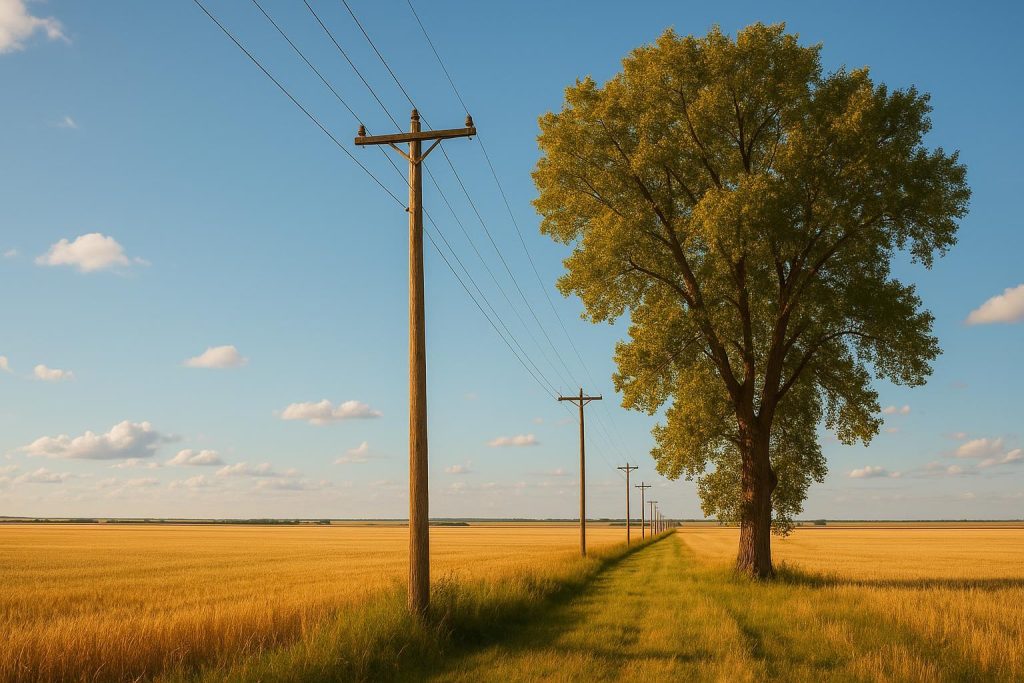
Power line in rural Alberta farmland with a tall tree close to the line.

Staying Safe Around Trees and Power Lines in Alberta

Trees that come into contact with power lines can pose a serious safety risk for homeowners, business owners, and anyone passing by. Even a tree that appears distant from a line can conduct electricity if its branches are close enough, creating a potential fire hazard or risking electrocution. Because of these risks, it’s essential to handle the situation correctly and promptly. If you notice a tree touching or dangerously near a power line, it’s best not to attempt any trimming or removal on your own. Instead, follow the proper channels to protect yourself and your community.

First, keep a safe distance, ideally more than ten meters away from the power lines, and advise others to do the same. Never climb the tree or attempt to inspect it too closely—you want to minimize any risk of contact with the energized line. If you suspect immediate danger, such as sparks or smoke coming from the line or tree, call emergency services right away. For non-emergency situations, contact your local electricity distribution company. They typically have trained professionals who can safely prune or remove any interfering branches, as well as assess whether repairs to the line are needed. You can typically find the phone number for your distribution company on your utility bill or on their website.

When you reach out to report the problem, be prepared to provide the exact location of the tree on the power line. In many areas across Alberta, there are specific municipal guidelines that determine whether local crews or private contractors will handle the trimming. If you’re unsure who is responsible, start by calling your distribution provider; they will direct you to the right authority. Remember, power lines can be extremely dangerous, and professional service is the only reliable way to address this issue. By acting quickly and contacting the proper channels, you’ll help protect both yourself and your community from potential electrical hazards.
Related FAQs

Getting Started with Your Alberta Utility Setup When you set up utilities for the first time in Alberta, it can feel like there are many steps involved. However, once you know what to expect, the process is quite straightforward. The first thing you should do is gather all relevant information, including your new address and […]

Setting Up Utilities in Your New Alberta Home Congratulations on your move! Getting your utilities sorted is a critical first step when settling into a new home in Alberta. While each homeowner’s needs will vary, the fundamentals remain similar: you’ll need electricity, natural gas, and often water and waste management services. By understanding the basic […]

Settling into Your New Alberta Home Moving to Alberta can be an exciting time, but there are important steps to take to ensure a smooth transition. One of the first things new residents often address is how to set up utilities, including electricity and natural gas. In Alberta, you have the freedom to choose a […]

Regulated vs. Deregulated: Key Points In a regulated industry, government agencies typically oversee pricing structures, monitor market practices, and enforce strict rules on providers. This can help stabilize prices and ensure consumers are treated fairly, but it also limits competition. Under regulated models, providers often have less flexibility to offer customized plans, and consumers may […]

Understanding Alberta’s Utility Regulations When people move to or live in Alberta, they quickly discover that this province has a unique approach to electricity and natural gas services. Thanks to a blend of government oversight, regulated rates, and competitive market options, Albertans can choose plans and pricing structures that suit their needs. However, navigating these […]

Understanding Distribution Fees Across Alberta When you look at your monthly utility bill, you’ll likely notice a line item for “distribution fees.” These charges can sometimes feel confusing, and it’s not uncommon to wonder why one part of Alberta has higher distribution fees than another. After all, it’s the same electricity and natural gas flowing […]