How Power Outages Are Resolved
Power outages can happen at any time, often without warning, and can disrupt every aspect of daily life—especially in a place like Alberta, where weather conditions can shift rapidly. While they are never pleasant, rest assured that utility providers, local governments, and emergency services work hard to minimize their frequency and duration. This guide offers a thorough overview of how power outages typically get resolved, why they happen in the first place, and what you can do to stay safe and informed. Whether you’re dealing with a sudden storm, scheduled maintenance, or a power surge, understanding the process behind outage resolution can help make an inconvenient situation feel a bit more manageable.
1. Why Power Outages Occur
Before diving into solutions, it helps to know the common causes behind power outages. While some interruptions are anticipated—like a planned service disconnection for infrastructure upgrades—others take everyone by surprise. Here are the main reasons power goes off:
- Severe Weather: High winds, ice storms, heavy snow, and lightning can down power lines or damage transformers. In many parts of Alberta, strong winds and extreme temperature swings are common, creating ideal conditions for weather-related outages.
- Equipment Failure: The energy grid is large and complex, and its components can develop faults. Transformers, power lines, or substations can malfunction because of old age, overheating, or sudden power surges.
- Scheduled Maintenance: Utility companies occasionally need to shut down sections of the grid to perform maintenance or upgrades. While these outages are inconvenient, they often help improve reliability in the long term.
- Human Error: Sometimes, accidents or errors—such as excavation projects hitting an underground cable—cause outages. Construction sites and roadwork areas are particularly susceptible to this type of incident.
- Wildlife Interference: Birds, squirrels, and other wildlife can sometimes come into contact with electrical equipment, leading to short circuits or damaged lines.
Understanding these causes helps clarify why outages occur and underscores the importance of maintaining a robust, well-monitored grid. Outages are not always avoidable, but systems are in place to address them efficiently and reduce their impact on day-to-day life.
2. Who’s Responsible for Fixing Outages
When the power goes out, it’s natural to feel frustrated or impatient. However, it’s important to know that the primary entity in charge of bringing electricity back is typically the local distribution company (LDC), not necessarily your electricity provider. Each region has a unique setup, but in Alberta, multiple organizations work in tandem to ensure safe, reliable service:
- Local Distribution Companies: These are the teams that own and maintain the physical infrastructure—power lines, transformers, and poles—connecting your home or business to the grid.
- Utility Providers: If you get service from an Alberta-based company with local support, like Peace Power, they offer electricity plans, handle billing, and support you in many ways. For actual outages, however, the local distribution company often does the emergency repair work.
- Government and Regulatory Agencies: They coordinate widespread emergency responses when a large part of the province is affected, making sure resources are allocated efficiently and that essential services (like hospitals) have priority.
Knowing who to call in an outage is crucial. Generally, if there’s a power interruption, check your local LDC’s outage line or website first. In some cases, you can notify your electricity services provider about the outage, but your LDC will typically handle field repairs and line restoration. If you have additional questions about your rates or concerns about how to manage your utility plan during periods of disruption, you can reach out to your provider for advice.
3. Steps Taken to Resolve Outages
So how exactly does the power get restored once an issue is detected? While every LDC has its own protocols, most follow a similar sequence of steps:
- Detection and Reporting: First, the outage must be identified. Remote sensors and system alarms, along with customer phone calls or online outage notifications, confirm there’s a problem in a specific geographic area.
- Assessment: Repair teams isolate the cause—be it a fallen pole, broken line, or malfunctioning substation. They’ll evaluate damage severity, accessibility, and any safety risks, including downed lines near roadways or standing water.
- Prioritization: Often, critical infrastructure like hospitals, fire stations, and police departments receive immediate attention. Next, providers aim to get the largest number of customers back online as quickly as possible, working systematically through the distribution network.
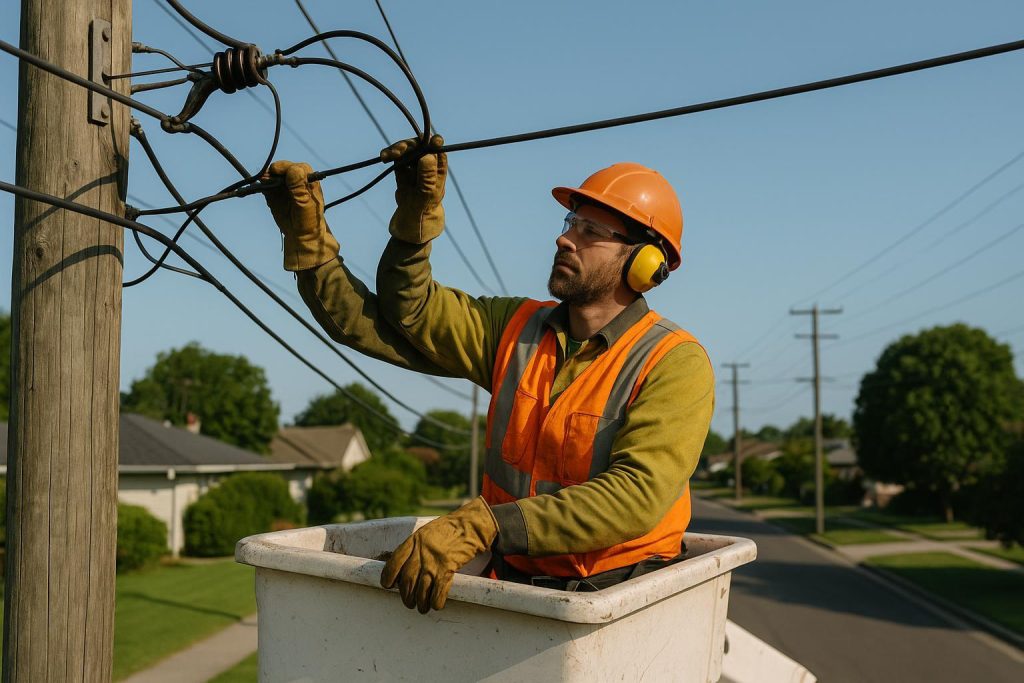
- Repair: Crews on the ground replace damaged poles, fix transformer issues, or address technical faults. Weather conditions and road access can prolong this step.
- Testing and Restoration: Once repairs are completed, teams test the lines to ensure service can be safely reinstated. Power is restored section by section, until everyone is back online.
- Monitoring: The LDC continues to monitor the grid to ensure the problem doesn’t recur. Modern monitoring tools allow them to track any fluctuations in voltage or disruptions to service.
This structured approach is designed to keep the outage duration as short as possible, prioritizing both safety and speed. With each step, repair crews and support staff leverage years of training to ensure a thorough job is done, preventing repeat outages caused by the same issue.
4. What You Can Do During an Outage
While it may seem like you have little control when the lights go out, there are proactive ways to stay informed and minimize stress:
- Stay Safe: If you see a downed power line, always assume it’s energized. Keep a safe distance and report it immediately to the relevant authorities. Avoid flooded areas, as water can conduct electricity.
- Disconnect Electronics: When the power blasts back on, sudden surges can damage sensitive devices. Unplug computers, TVs, and other important electronics or use surge protectors.
- Prepare an Emergency Kit: Keep flashlights, batteries, and a battery-powered radio in a known location. This kit might also include blankets, bottled water, and non-perishable food—especially if you live in rural areas prone to longer repair times.
- Check on Neighbours: In the spirit of being community-driven, make sure older adults, people with medical conditions, and those with young children have the support they need. Sometimes a quick visit can make a big difference.
- Monitor Updates: Stay informed via social media, official text alerts, or the LDC’s outage map (if available). The more you know about timelines and restoration progress, the better you can plan.
These measures help protect both your household and vital electronic equipment. They also provide some peace of mind, knowing you’ve done what you can while waiting for the utility’s repair efforts to conclude.
5. How Your Electricity Provider Helps
Power outages place the spotlight on local distribution companies, but your electricity provider can still be a resource for information. Many Alberta-based providers, including Peace Power, maintain robust channels of local support to address customer questions about billing, rates, and contract options. While they don’t usually fix the lines themselves, they offer insight into how your energy service is structured and how to handle temporary outages. In short, if you have questions about your account details, whether you’re on a fixed-rate or variable-rate plan, or if you just need general guidance, contacting your provider for clarity can be beneficial.
For example, if you need a more predictable payment schedule or want to review your plan to ensure it still meets your needs, you can head over to your provider’s website or speak with a representative. Some providers, like those focused on straightforward energy plans, are also committed to ensuring the entire customer experience is as smooth and supportive as possible, even when external factors like weather cause brief interruptions. During an outage, you can also ask about alternative plan options that might fit your budget or usage patterns. Keeping the lines of communication open allows you to feel more in control, even when external forces cause disruption.
6. Preventative Measures for the Future
Though no one can control the weather or completely eliminate equipment failures, you can take some steps to reduce the impact of future outages:
- Service Inspections: Make sure your home or business wiring is in good condition. Faulty wiring can add unnecessary risk and even contribute to outages that only affect your property.
- Surge Protection: Invest in whole-home surge protectors or high-quality power strips to protect against voltage spikes when the power returns.
- Backup Generators or Battery Systems: In areas susceptible to frequent outages, some Albertans opt for backup solutions. While more common in rural zones, they can provide a sense of security during extended outages.
- Flexible Plan Options: If your provider offers flexible options—for example, the ability to choose your plan—consider which structure best suits your risk tolerance. Some individuals prefer a fixed-rate plan for predictability, while others appreciate riding the market with a variable-rate plan.
Incorporating these proactive measures can translate into improved convenience and peace of mind. While you may not prevent every single outage, you can mitigate potential headaches that follow in the aftermath of lost power.
7. Frequently Asked Questions About Outage Resolutions
Q: Should I call my local government office or my electricity provider when the lights go out?
In most cases, you’ll contact your local distribution company’s outage line first. However, if you can’t get through and the outage seems severe or poses immediate danger to public safety, then notifying local authorities is warranted. Your electricity provider can provide guidance or help you confirm who the correct contact is.
Q: How long do most outages last?
Most outages are relatively short, spanning a few minutes to a few hours, depending on severity. If extensive damage is involved—such as downed lines in multiple locations—power restoration may take longer.
Q: How can I check the status of a current outage?
Many distribution companies post updates on social media, official websites, or dedicated outage maps. Some even offer text or email alerts. Alternatively, you can call their customer service line for the latest updates.
Q: Are businesses given priority when restoring power?
Not necessarily. Although certain critical services like hospitals and first responders are top priority for safety reasons, business areas don’t automatically go first unless they contain critical infrastructure like a police station.
Q: If my home experiences frequent outages, can I switch providers to fix it?
Switching providers may improve other aspects—like getting more transparent billing, competitive rates, or better customer-first support—but it won’t guarantee fewer outages. That’s because your local distribution network remains the same regardless of who supplies your electricity. Still, some providers may offer more proactive communication or easier ways to contact them about outage issues, which can alleviate some stress.
8. The Value of a Reliable Utility Partner
While we can’t always predict when or why the lights might go out, working with a customer-first provider can simplify your overall experience. An Alberta-based company that offers local support and straightforward energy plans knows the region’s challenges and can guide you through questions about rates, billing, or plan features. Moreover, having a flexible energy plan can sometimes help you anticipate and budget for seasonal fluctuations—especially if you’re considering whether to lock in your rate or keep it variable.
At the end of the day, a power outage can be an unsettling event, but it’s typically a short-lived inconvenience thanks to a well-established system of upkeep and emergency response. Dedicated crews work around the clock to repair lines, power stations, and transformers, while utility providers support their customers with helpful resources and advice. By understanding how outages are resolved, you can do your part by staying informed, keeping your household safe during downtime, and preparing for future interruptions. The key is to approach any outage with a calm and pragmatic strategy: know where to get reliable information, take steps to safeguard your property, and remain patient while repair teams restore power step by step.
If you want more information on electricity services in Alberta or are curious about the benefits of flexible rate plans, you can explore Peace Power’s Electricity Services or even compare rates directly. By staying informed, you’ll feel better prepared and more in control, regardless of what Alberta’s weather or infrastructure challenges might bring. With a bit of planning and a reliable support system in place, you can navigate power outages with confidence—knowing a return to normalcy is often just a matter of time.