Understanding How to Track Your Home Utilities
Tracking your home utilities can help you gain control over your monthly bills and spot ways to reduce energy usage around the house. Whether you’re looking to monitor your electricity consumption, natural gas usage, or both, having a system for collecting and reviewing this information is the first step to a more energy-conscious lifestyle. In this guide, we’ll explore several tips and resources that make utility tracking simpler and more effective, especially if you’re based in Alberta and rely on local support for services. By understanding where your energy goes, you can make informed decisions about how to save money and stay comfortable in your home.
1. Why Tracking Utilities Matters
Most households receive a monthly statement with a few details about their charges, but it’s easy to ignore the finer points. When you actively track your home utilities, you’re not just trying to reduce expenses in the short term; you’re ensuring a long-term understanding of your usage patterns. This knowledge helps you:
- Identify High Usage Patterns: Pinpoint which appliances or habits consume the most energy so you can make targeted changes.
- Stay on Budget: No one likes surprises on a utility bill. Tracking helps you budget accurately throughout the month.
- Plan for Seasonal Fluctuations: Identify how usage changes during colder or hotter months. This knowledge makes it easier to plan for potentially higher bills in winter or summer.
- Compare Provider Rates: When you’re aware of your usage, it’s much easier to compare and choose the best plan or rate option for your specific needs.
Altogether, monitoring your energy helps you keep a finger on the pulse of your home, ensuring both cost efficiency and comfort.
2. Breaking Down Your Utility Bill
One of the first and most straightforward ways to keep track of your utilities is by understanding your monthly bill in detail. Here are a few sections you should look for:
- Consumption Details: Many statements include a breakdown of how much electricity or natural gas you used during the billing period. Compare it with previous months to look for notable changes.
- Cost Per Kilowatt-Hour or Gigajoule: If you’re on a fixed-rate or variable-rate plan, this is the rate charged for each unit of energy. Knowing this value helps you calculate your expected costs based on usage.
- Taxes and Additional Fees: Some bills include energy charges plus additional line items like taxes, distribution fees, or other regulated costs. Make sure you understand these fees to get the full picture of what you’re paying for.
- Billing Cycle Dates: Keep track of the exact dates your usage is being measured. This helps you align your daily or weekly tracking with your final monthly report.
The clearer you are about your bill’s contents, the easier it is to identify where you might reduce costs or adjust usage habits.
3. Using Real-Time Monitors and Apps
Modern technology makes it easier than ever to keep an eye on your electricity and natural gas consumption:
- Smart Meters: Some regions install smart meters that automatically send usage data to your utility provider, enabling more accurate billing and less guesswork. If you have a smart meter, there may be an online portal to view your daily or even hourly consumption.
- Energy Monitor Devices: You can purchase devices that connect to your home’s electrical panel. These devices track usage in real time and display data through a mobile app or handheld reader. This level of detail allows you to see when consumption spikes—such as when you run certain appliances or heating systems.
- Home Automation Systems: Smart thermostats and integrated home automation can track your heating and cooling usage, giving you a comprehensive look at how your home’s temperature settings impact your energy bill.
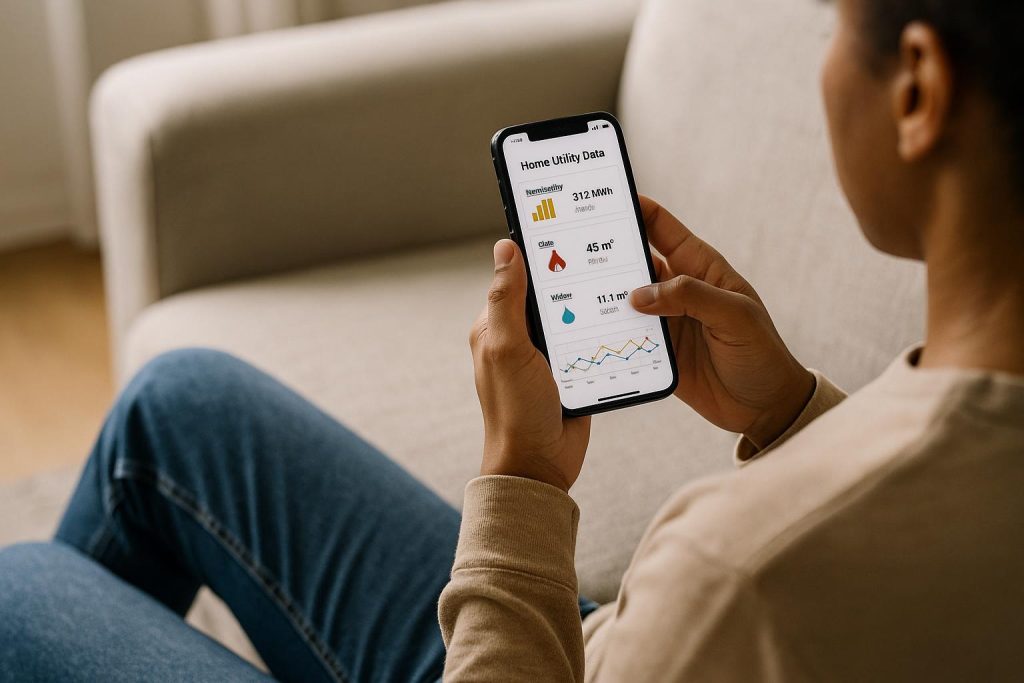
- Utility-Provided Apps: Your provider may offer an app to view usage charts and historical data. Check if there’s an option for push notifications when your consumption rises above typical levels.
These tools help you understand the details behind your bill, turning utility tracking from a once-a-month chore into an ongoing insight.
4. Tracking Your Natural Gas Usage
Though electricity often gets the spotlight when it comes to energy monitoring, natural gas usage can also significantly impact your monthly expenses, especially during colder months. Here’s how to keep tabs on your gas consumption:
- Monitor Your Meter: Like electricity meters, natural gas meters record usage. Jot down the numbers at the same time each day or week to see how your use fluctuates.
- Consider a Smart Thermostat: If you use natural gas for heating, programming your thermostat can help you control temperatures more precisely, reducing unneeded consumption.
- Watch for Seasonal Changes: Natural gas usage often increases in winter. This spike could be significant if you rely heavily on gas to heat your home.
- Efficient Appliances: Upgrading to gas-efficient furnaces or water heaters can make a big difference. Keep an eye on consumption data before and after any appliance upgrades to measure the impact.
If you want to learn more about flexible natural gas plans, you can explore options such as Natural Gas services that give you the freedom to choose competitive rates and straightforward energy plans.
5. Budgeting and Organizing Your Data
Tracking utilities isn’t just about collecting numbers—you also need a systematic way to store and analyze them over time. Here are some organizational tips:
- Use a Spreadsheet or App: Whether you prefer Excel, Google Sheets, or a specialized budgeting tool, record your daily or weekly energy usage alongside any important notes (like colder weather or visiting guests).
- Set Usage Goals: Maybe you’d like to reduce your electricity usage by 10% or cut back on heating costs this winter. By setting goals and regularly checking your progress, you’ll stay mindful of your energy habits.
- Create Billing Reminders: Mark your calendar or set an alert on your phone for when bills are due and when they typically arrive. This ensures you never fall behind.
- Break Down Costs Per Appliance: You might track how often you run energy-intensive appliances like dishwashers, dryers, or space heaters. Over time, you can see the impact of these devices and consider more efficient alternatives if necessary.
A little organization goes a long way. By systematically evaluating your usage data, you’ll have a clear roadmap for achieving your monthly energy goals.
6. Checking Out Different Rate Options
Selecting a plan that fits your energy usage profile can save you money while offering more certainty in your monthly bills. Below are the two main categories of energy plans:
- Fixed-Rate Plans: You pay a fixed price per kilowatt-hour (electricity) or gigajoule (natural gas) over your contract term. This approach simplifies budgeting because your rate doesn’t fluctuate month to month.
- Variable-Rate Plans: Your rate may vary based on market conditions. While there could be months with lower prices, you might also pay more if rates increase. Some customers enjoy the flexibility this provides, though it can add unpredictability to your bills.
The key is to pick a plan that aligns with your preferences for cost stability or flexibility. You can find more information on current rates at Rates if you’re looking for a customer-first provider in Alberta.
7. Optimizing Daily Energy Usage
Good tracking is only half the battle; using the data to form better habits is where you’ll see real change. Consider these easy-to-implement tips:
- Unplug Devices Not in Use: Even in standby mode, many devices draw power. Unplug items you don’t frequently use or switch off power strips to curb “vampire” energy drains.
- Run Appliances Efficiently: Wash laundry in cold water when possible, and only run full loads in your dishwasher. Small changes can lead to noticeable savings.
- Adjust Your Thermostat Wisely: Lowering your thermostat by just a few degrees in winter and raising it slightly in summer can reduce consumption significantly without compromising comfort.
- Use LED Bulbs: LEDs are more efficient and last much longer than traditional incandescent bulbs. Replacing high-use bulbs first can yield the quickest returns on investment.
- Schedule Seasonal Maintenance: Regularly servicing your heating and cooling systems ensures they run more efficiently, ultimately saving energy and reducing costs.
When you track usage alongside these adjustments, you’ll see how quickly small habit changes can add up to a substantial difference in your monthly bills.
8. Exploring Local Support in Alberta
If you live in Alberta, you might want a utility provider that embraces local support and straightforward energy plans. Working with such a provider can simplify processes like setting up service, analyzing your bill, or updating your plan. For those looking to manage both electricity and natural gas in a single, simple and affordable package, you can check out Electricity and Natural Gas services from Alberta-based companies that focus on transparent billing and reliable service. Communities such as Edmonton, Calgary, and Grande Prairie often benefit from these localized offerings, giving homeowners and renters more options as they track and manage their utilities.
9. Managing Your Utility Tracking Over the Long Term
Consistent tracking is the key to truly understanding your home utilities. Here are a few approaches to keep you on track:
- Monthly or Weekly Reviews: Schedule a brief time each week or month to review your usage data. Over time, you’ll see clear patterns emerge.
- Set Up Automated Alerts: If your utility provider offers text or app notifications, enable them. Alerts about sudden spikes in consumption can help you quickly identify the cause.
- Revisit Your Plan: Remember that your energy plan isn’t set in stone. If you’re not satisfied with your current rates, consider switching to a new plan or provider that offers a better match for your usage habits and budget.
- Consider Efficiency Upgrades: Did your data show that old appliances drive your costs up? It might be worth investing in newer, more efficient models or upgrading insulation and windows to keep heating and cooling inside.
By regularly updating your usage logs and analyzing your data, you’ll stay informed, avoid unexpected bills, and make better decisions about how to power your home.
10. Putting It All Together
Effective utility tracking is about building awareness and taking practical steps to reduce your costs. By thoroughly reviewing your bills, making use of modern tools, and keeping organized records, you’ll see exactly where your energy goes and how you can save. For many households, targeted changes—such as switching to LED bulbs, adjusting the thermostat by a few degrees, or opting for a plan with competitive rates—can result in notable savings over the long term.
Ultimately, monitoring your home utilities is about more than just saving money. It’s about gaining control and feeling confident in how you power your living space. By recognizing your patterns, you can make informed decisions that align with your comfort, budget, and sense of stewardship for energy resources. Whether you prefer fixed-rate or variable-rate plans, need electricity, natural gas services, or both, and whether you live in Edmonton, Calgary, or another area in Alberta, the opportunities to find a customer-first, reliable service are out there. Make the most of your tracking routines and enjoy the benefits of a well-managed household.
As you continue your search for improved utility tracking methods, keep in mind the wide range of plan options and supportive local providers that can make your energy experience more transparent and straightforward. By staying organized and aware, it’s entirely possible to keep your monthly bills under control while maintaining the peace of mind that comes from understanding how your home utilities work.