Understanding Utility Bills
When people talk about a “utility bill,” they typically refer to a statement that shows charges for essential services that keep a household or business running. These services usually include electricity, natural gas, water, or waste management. Depending on where you live, the term can also apply to certain local services like sewer, recycling, or even telephone in some cases. But, in a broad sense, if it’s an essential service that you rely on daily, there’s a good chance it can be classed as a utility bill.
This FAQ will go in-depth: from outlining common utility services to explaining what appears on the bill, why they matter for proof of address, and how you can manage these bills effectively. If you’re living in Alberta—or more specifically in service areas like Edmonton, Calgary, or Grande Prairie—you’ve likely come across electricity and natural gas as key parts of your monthly budget. Learning how utility bills work and what they include can help you feel more in control of your finances and day-to-day life.
Common Types of Utility Bills
Though the exact list of “utilities” can vary, most people in Alberta have at least two or three different utility statements each month or quarter. Here are some of the most common:
- Electricity: When you flip on a light switch or power a device, you’re consuming electricity. The bill outlines how many kilowatt-hours (kWh) you used and the associated costs, including fixed charges such as distribution fees and variable charges based on energy consumption. Companies like Peace Power, an Alberta-based provider, often give customers clear information on their cost per kWh, making this essential monthly statement easier to understand.
- Natural Gas: Anyone using gas for heating their home, cooking, or running appliances receives a natural gas bill. Natural gas usage is typically measured in gigajoules (GJ). The bill breaks down consumption costs and any relevant service or delivery fees. If you’re looking for straightforward energy plans, you might explore Natural Gas options that provide a choice between fixed-rate or variable-rate pricing, so you can pick the option that works for you.
- Water and Wastewater (Municipal Services): Many cities or towns combine water, sewer, and recycling costs into one statement. Although companies like Peace Power focus on electricity and natural gas, some municipalities bundle all essential municipal services into what people often call a “utility bill.” It’s not unusual to see charges for water usage, wastewater treatment, and garbage collection all on a single statement from your city or municipal authority.
- Waste Management: In some areas, garbage pickup and recycling services are rolled into water or wastewater bills. In others, you might pay a separate bill for these services. While they don’t always appear on a single statement, it’s important to note they may still be considered utilities in many parts of Canada.
Services like home internet or cable TV are sometimes called utilities in casual conversation, but in many official contexts—like proof of address—they may or may not be accepted as a “utility bill.” If you’re unsure, it’s best to check with the organization requesting the document to see what they accept.
Why Utility Bills Matter for Proof of Address
You’ve probably noticed that banks, government agencies, or landlords often ask for a copy of your utility bill. That’s because utilities are generally tied to your physical address and are considered reliable proof that you live (or do business) at that location. Using a utility bill to confirm your residence is a long-standing practice worldwide, and it helps institutions make sure they are communicating with the right person at the right place.
When you receive an electricity bill, for example, it lists your personal or business name and the address where the service is provided. This is a clear representation that you reside or operate a business in that specific location. Likewise, natural gas or water bills show similar details. If you ever have to update your driver’s license, apply for a loan, or rent a new place, an up-to-date utility statement can simplify the process. Because a utility provider must confirm your address to deliver the service, a statement from them is generally accepted as authentic proof of residency.
Key Details Found on Utility Bills
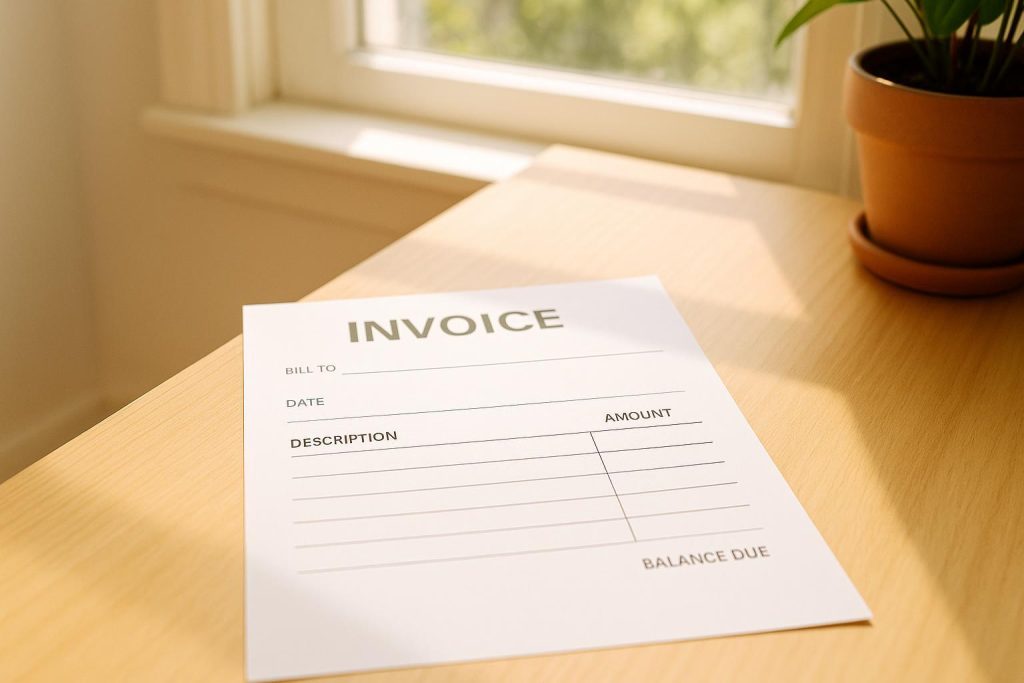
Whether you’re dealing with electricity, natural gas, or another service, utility bills often share a set of common details. Understanding these elements makes it easier to track your usage, budget effectively, and address any concerns with your provider. Here’s what you typically see:
- Account Number: Each customer and service address has a unique account number. This helps you and the utility company identify your statement quickly and resolve any billing issues.
- Service Address: The physical location receiving the service. In a multi-unit building, this might also include a suite or apartment number.
- Billing Period: Usually covers 30 days but can vary. If you’ve just moved in or switched providers mid-month, the first billing period might be shorter or longer.
- Usage Details: The statement will note how many kWh of electricity or GJ of natural gas you used in that period. Paying attention to your usage trends can help you make informed decisions about your consumption habits and potential cost savings.
- Rate or Cost Breakdown: This is where you’ll see a per-unit charge (e.g., cost per kWh for electricity) and the total cost based on your usage. If you’re on a variable-rate plan, the per-unit cost may change monthly, while a fixed-rate plan stays consistent for the duration of the contract.
- Administrative Fees and Taxes: You might see flat administrative fees or other charges such as taxes. These should be itemized so you know exactly what you’re paying for.
- Payment Due Date: Every utility bill will specify when payment is due to avoid late fees or penalties. Setting up reminders or automatic payments can help ensure you’re always on time.
For customers who like clarity, a well-organized statement can make a world of difference. Whether you’re looking at your natural gas bill or an electricity bill, it’s reassuring to see the charges fully itemized. This level of detail is especially helpful if you want to compare offers and decide if switching providers could lead to a better deal based on your usage patterns. If you want to explore your options, you can always check out available Electricity or Natural Gas plans in your region.
How to Keep Track of Your Utilities
Staying on top of your monthly bills is a key part of home or business management. A few best practices for managing your utility statements include:
- Paper or Paperless: Some people prefer tangible paper bills that they can file, while others opt for emailed statements that cut down on clutter. Choose the method that you’ll stay most consistent with.
- Review Regularly: Instead of simply paying the “amount due,” spend a couple of minutes reviewing your usage records. Notice any spikes? If so, you can investigate the cause—maybe a new appliance or a sudden drop in temperature that increased your heating load.
- Compare Rates: Providers often offer different plans to suit various customer preferences and needs. These can include fixed-rate plans for predictable billing, or flexible options if you’re comfortable with slight fluctuations based on market rates. Check out Rates information to see if you could benefit from another plan that’s more in line with your usage patterns.
- Set Alerts: Many companies let you set up email or text alerts when your bill is ready or if it’s nearing the payment due date. These reminders help avoid missing deadlines and potential late fees.
Utility Bills in Alberta
If you’re in Alberta specifically, you might be more familiar with the concept of an energy retailer like Peace Power. The province’s competitive energy market means you can choose your plan. This is beneficial if you want the security of a fixed monthly rate, or if you prefer to gamble a bit with variable rates in hopes of paying less over time. It all depends on your priorities—some people love the budget consistency that a fixed-rate provides, while others are comfortable with potential fluctuations.
Because Alberta has unique market structures for both electricity and natural gas, you could see various line items on your bill, reflecting distribution costs and other regulated charges. Even though some of these fees are mandatory and passed through by any provider, your choice of retailer can still impact your end-of-month total. The key is to review the Rates and details so you know what to expect. If you’re uncertain or have questions, it’s best to speak with a provider directly. Having local support you can contact easily is always a plus.
When and How to Switch Utility Providers
There may come a time when you consider switching utility providers, especially if you find an arrangement that aligns better with your budget and preferences. In Alberta, it’s typically quite easy to switch—no complicated process or fear-based penalties. If you do opt to switch, you can expect:
- A Simple Transfer: You’ll usually just need your account details, service address, and a new contract with the provider of your choice. The transition happens behind the scenes, so you likely won’t experience any disruption of service.
- Clear Timelines: Once the switch is confirmed, you’ll be notified about the next meter reading date and when the first bill from your new provider will arrive. This helps you plan accordingly.
- Plan Comparison: Your new provider might offer different pricing structures or discounts. Always compare the proposed rates to your current bill. That way, you’ll see how your monthly total might shift based on your average usage.
Companies that focus on a customer-first approach typically make the process of switching as straightforward as possible. In Alberta, you might even find local, community-driven energy suppliers that put transparency and flexibility at the forefront of their service.
Using Utility Bills to Manage Your Energy Footprint
Another major reason people look closely at their utility bills is to monitor and adjust their energy consumption. By understanding precisely how much electricity or gas you use each month, you can adopt energy-saving strategies that lower your expenses and help the environment. Whether you choose a fixed-rate or variable-rate plan, your usage directly impacts what you pay. Here are some quick tips for reducing your consumption:
- Energy-Efficient Appliances: Swap older devices for newer, energy-efficient models. An outdated refrigerator or air conditioner can quietly inflate your monthly bill.
- Smart Thermostats: Programmable or smart thermostats let you control heating and cooling costs by adjusting temperatures when you’re asleep or out of the house.
- Regular Maintenance: Furnaces, air conditioners, and lighting systems all run more efficiently when they’re serviced periodically. Simple tasks like cleaning filters can lead to surprising savings.
- Conscious Usage: Turn off lights when you don’t need them, unplug electronics that aren’t in use, and mind how often—and how long—you run major appliances like washers and dryers.
Wrapping It Up
At its core, a utility bill is a statement showing how much you owe for essential services like electricity or natural gas. Many of us file these bills away after paying them, but the details they contain are key for budgeting, managing your energy footprint, and even establishing proof of address. Knowing exactly what’s on your statement—whether it’s your account number, rate category, or payment due date—allows you to be proactive instead of reactive.
Before choosing or renewing a service, it helps to explore local options and compare the rates that different providers offer. If you’re looking for flexible options, an Alberta-based company like Peace Power could be worth considering for both Electricity and Natural Gas. Many energy retailers post their rates online, so you can see if their straightforward energy plans match up with what you need. Remember, the more you understand about utility billing, the easier it is to stay on top of monthly costs, reduce surprises, and keep your household or business moving forward.
Whether you’re a new resident who needs a proof of address or a long-time homeowner looking for better value, understanding what can be classed as a utility bill—and why—is central to your peace of mind. The next time you hold an electricity or natural gas bill in your hand, remember that it’s more than an invoice: it’s a tool that can help you plan your finances, manage your daily comfort, and take control of your energy usage in a practical, informed way.