
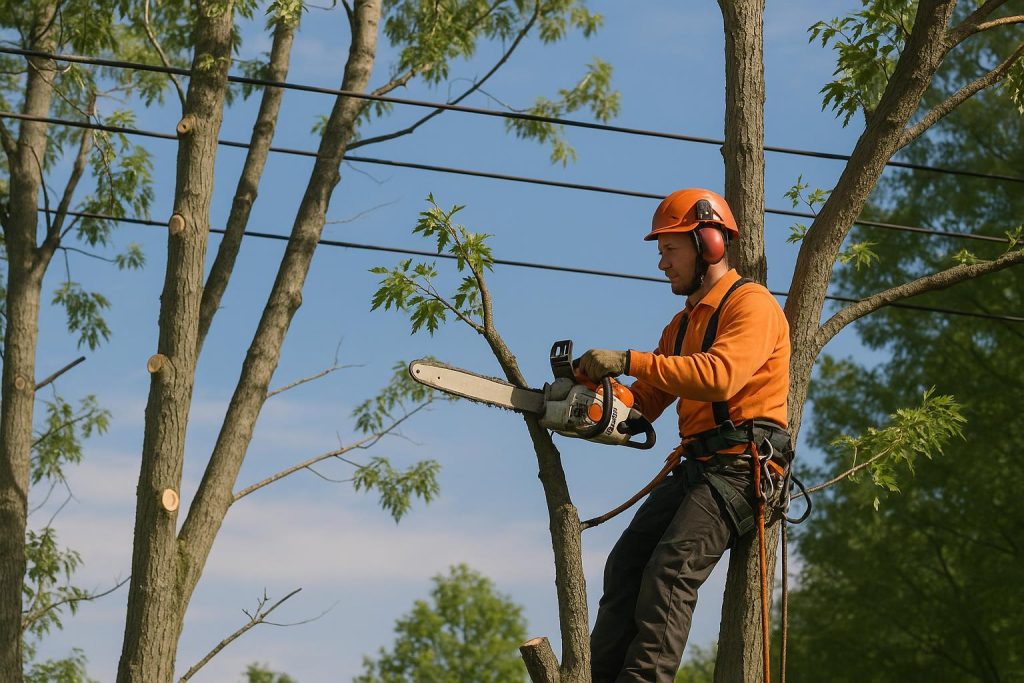
Understanding Responsibility for Tree Trimming Around Electrical Wires
Keeping trees safely trimmed around power lines is an important responsibility for both homeowners and utility companies. In many cases, the specific obligations can vary depending on local regulations, property boundaries, and the type of electrical wiring involved. Typically, residential property owners are responsible for maintaining trees and shrubs on their land, including trimming branches that could encroach upon secondary overhead lines connecting to a home. However, if the vegetation is close to primary power lines—those that carry higher voltages and are often located on utility poles along public streets—your local electric distribution company may oversee the trimming process or handle it entirely.
One key reason for this division of responsibility is safety. Working near electrical wires is extremely hazardous and should only be done by trained professionals who know how to handle powerful equipment and manage risks. Before undertaking any tree trimming project that is near overhead lines, it is essential to consult with your electric provider or a certified arborist. In Alberta, for instance, different distribution companies might have varying policies, but they all emphasize caution. If you notice tree branches growing perilously close to energized lines, do not attempt to remove them on your own—always reach out to qualified experts. In some cases, the utility may send out a team to evaluate and trim the vegetation if it poses an imminent threat to safety or service reliability.
Whether you are a homeowner or a renter, it is wise to routinely inspect trees on your property to prevent potential hazards. Although trimming around electrical wires can seem daunting, proper upkeep can help avoid power outages and protect everyone’s wellbeing. If you have additional questions about your energy services, you can explore our main website at Home or look into available plans. Remember that while it is a shared duty among the property holder, professionals, and the utility, safety always comes first when dealing with trees surrounding live power lines.