How Effective Home Insulation Can Lower Your Energy Expenses
It’s no secret that proper insulation can make a big difference in household energy costs. Whether you’re battling Alberta’s winter chill or the summer heat, having the right insulation in place helps maintain a comfortable indoor temperature without forcing your heating or cooling system to work overtime. Below, we’ll explore how insulation affects energy usage, the cost benefits it can deliver, and the factors you should keep in mind when you’re deciding how to improve your home’s efficiency.
Understanding the Basics of Home Insulation
Insulation is a barrier—usually made of fiberglass, cellulose, or foam—that reduces the transfer of heat between the inside and outside of your home. In a typical household, heat naturally flows from warmer areas to cooler ones. During colder months, the warmth inside your house attempts to escape outside, and in hotter times, exterior heat tries to get in. The purpose of insulation is to slow or block this flow, helping your home sustain a balanced indoor climate.
Because of its ability to reduce heat loss or gain, effective insulation is key to lowering your monthly energy expenses. When less heat escapes through the walls or roof, your furnace or air conditioner doesn’t have to work as hard. This can translate into less energy usage and, over time, smaller utility bills. If you live in Alberta and experience unpredictable seasonal shifts, any measure that stabilizes your home’s temperature can be quite valuable.
Why Proper Insulation Saves Energy
Think of your home as a simple system: you pay for energy to heat or cool the indoor environment, and that energy either stays within your walls or escapes if your insulation is lacking. Proper insulation serves as a valuable buffer, reducing the amount of temperature exchange with the outside world. This small but powerful improvement can reduce what you spend on electricity and natural gas. Over time, the initial cost of installing or upgrading insulation can pay for itself in lower monthly bills.
If you already use a reliable service for electricity or natural gas, you might still see fluctuation in your bills if your home’s thermal envelope (the collective barrier of walls, windows, roof, and floors) isn’t optimized. When you invest in adequate insulation, it’s easier to maintain the indoor climate you want without constantly adjusting your thermostat.
Common Areas That Need Insulation
Many families appreciate the difference that insulation can make once they address specific areas in their home. Some of the most common spots that lead to heat loss or gain include:
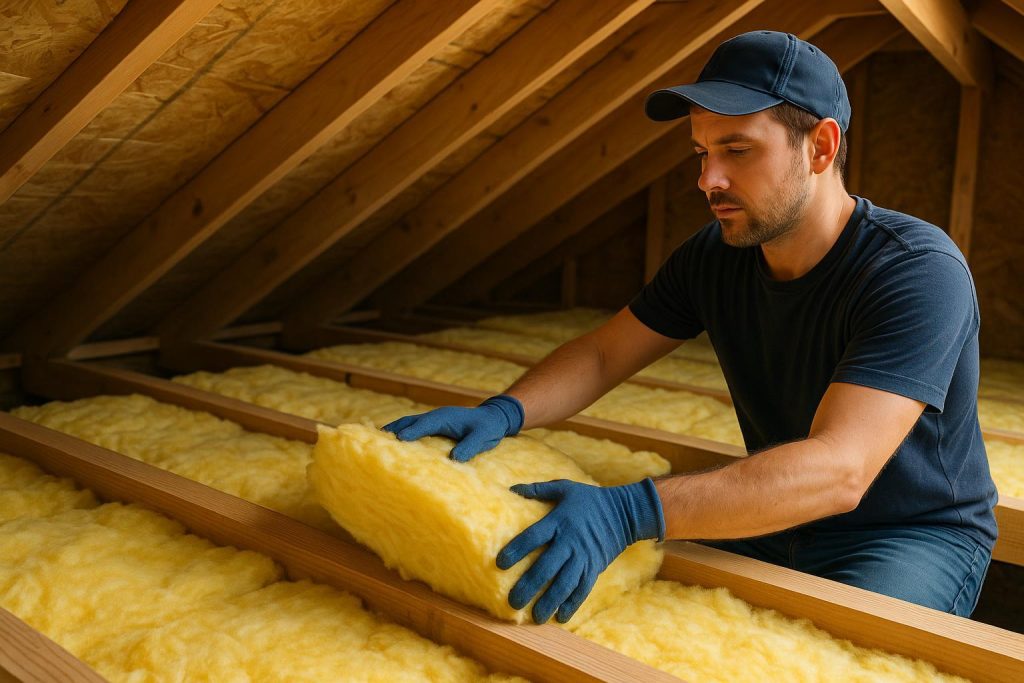
- Attic and Roof: Warm air rises, so your roof is naturally a prime area for heat to escape. Appropriate attic insulation can stop much of this loss.
- Walls: Exterior walls often let in drafts or release heated air. Well-insulated walls can help maintain a stable temperature.
- Floors over Unheated Spaces: Floors above unheated garages, crawl spaces, or exposed exterior areas can let in cold air if not properly insulated.
- Basement and Foundation: In climates with cold winters, basement insulation is often overlooked. Addressing your basement walls or foundation can reduce moisture issues as well as thermal leakage.
Pinpointing these areas can be the starting point for a more comprehensive insulation upgrade. Because older homes often lack modern insulation standards, it’s worth checking the thickness and condition of what’s already in place before committing to any specific plan—especially if you notice consistently high energy bills.
Types of Insulation Materials
Though many products can be used to insulate your home, some of the most common are:
- Fiberglass Batts: These are a popular, simple, and affordable choice. They come in large rolls or pre-cut panels that fit between wall studs and ceiling joists.
- Spray Foam: An expanding foam that can fill voids and cracks, creating an effective barrier. While it can be more expensive, it often delivers excellent performance.
- Loose-Fill Cellulose: Made from recycled paper treated with fire retardants, this insulation is blown into attics or wall cavities to achieve thorough coverage.
- Rigid Foam Boards: Typically used in walls and basement insulation, rigid foam boards offer consistent thickness and a high insulating value.
Choosing the right material often depends on the structure of your home, your budget, and local climate conditions. Consulting a professional or doing thorough research on insulation R-values (a measure of thermal resistance) can help you find the best option for your needs.
Cost Savings and Return on Investment
For many Albertans, the question is whether the expense of upgrading or adding insulation will truly pay off over time. Generally, the answer is yes. Insulation improvements can yield substantial savings. The exact return on investment will vary based on factors like:
- The size of your home and number of floors.
- Type of insulation used and its installation cost.
- Local climate and seasonal temperature swings.
- Current utility rates for electricity and natural gas.
In many cases, homeowners see a measurable drop in their utility bills shortly after a proper insulation upgrade. While it’s impossible to say precisely how quickly you’ll recoup your costs, a well-executed project can lower your energy demand and maintain more consistent indoor temperatures for years to come.
Preventing Heat Loss in Different Seasons
The beauty of adding insulation is that it works both ways—this resource is not just about keeping your house warmer in winter. Proper insulation also helps during the summer by blocking some of the outside heat from creeping into your living space. This dual function allows you to save money on air conditioning as well. If your cooling system has an easier job, it consumes less energy and puts less wear on your HVAC equipment.
For households using a forced-air system that runs on natural gas or a heat pump that uses electricity, better insulation means fewer extreme temperature swings. This efficiency can help extend the life of your heating and cooling equipment.
Beyond Insulation: Other Ways to Boost Your Home’s Efficiency
Insulation is a key player in lowering energy expenses, but there are additional steps you can take:
- Air Sealing: Using weatherstripping and caulk around doors, windows, and electrical outlets prevents drafts and keeps conditioned air inside.
- Efficient Windows and Doors: Updating to double-glazed or triple-glazed windows can help block heat transfer.
- Upgraded HVAC System: Older furnaces or air conditioners often run less efficiently as they age. Replacing them with modern, high-efficiency models can make a dramatic difference.
- Smart Thermostat Usage: Programs that allow you to automatically adjust temperatures for nighttime or when you’re away can reduce unnecessary energy consumption.
Combining a robust insulation strategy with these measures will often yield the best results, helping you see a marked improvement in comfort and budget control.
How to Know if You Need More Insulation
It isn’t always obvious that your home lacks proper insulation, but some telltale signs may help you decide whether it’s time to assess your situation:
- Drafts near windows, doors, or electrical outlets.
- Rooms that are noticeably colder or hotter than the rest of the house.
- Unusually high energy bills, especially during peak seasons.
- Uncomfortable indoor temperatures even when your HVAC system is running.
If any of these ring a bell, you could conduct a DIY inspection or hire a professional for a comprehensive energy audit. They can evaluate your insulation levels, identify leaks, and provide a roadmap that prioritizes each upgrade’s impact on overall comfort and cost savings.
Are Rebates or Incentives Available in Alberta?
Depending on where you live, there might be local or provincial rebate programs designed to encourage energy efficiency. These programs can help offset the cost of insulation installation or upgrades. Before you start, it’s wise to explore Alberta-focused energy savings initiatives that could reward you for lowering your home’s energy consumption.
Keep in mind that rebates change over time. Reviewing the most up-to-date materials from your municipal government or the province can help you avoid missing out on potential financial support for efficiency improvements. While Peace Power focuses on electricity and natural gas services, your local resources might extend to suggestions for insulation grants or incentives that help make your improvement plan more affordable.
Staying Informed About Your Energy Usage
Once your home’s insulation is up to standard, it’s important to stay aware of your energy consumption. A few simple steps include keeping an eye on your monthly bills and comparing them to past periods. If you’ve worked hard to keep your home well-insulated, a consistent or lower monthly cost is a sign your efforts are paying off. You can also track patterns in your usage by checking your utility’s online platform—understanding how your household consumes energy can help you highlight areas for additional savings.
If you’re curious about how different electricity or natural gas rates might impact your bills, you can check out our Rates page to explore the options. Whether you’re in Edmonton, Calgary, or Grande Prairie, it’s easy to see which plan structure might align with your goals for keeping things simple and affordable.
Summary: Insulation’s Role in Lowering Power Bills
Yes, insulating your home is one of the most practical and straightforward strategies for cutting down energy expenses. By reducing the flow of heat in and out of your living space, insulation lets your furnace and air conditioner work more efficiently. The result can be reduced monthly bills, a more comfortable home, and less stress on your HVAC systems overall.
Remember, insulation’s effectiveness goes hand in hand with other efficiency measures, such as air sealing, upgrading windows and doors, and maintaining a modern heating and cooling system. While there may be an initial cost to install or improve insulation, it’s generally a wise long-term investment that most homeowners in Alberta find worthwhile—especially in a region with cold winters and sometimes hot summers. The right approach to insulation will depend on your home’s build, your budget, and any local regulations or rebate programs.
Finally, if you’re working on improving home efficiency and want to explore energy plans suited to your household’s usage, feel free to review Peace Power’s Electricity Services or Natural Gas Services. The goal is to combine a well-insulated home with competitive service options so you can maximize savings and stay comfortable all year long.