Understanding Why Your Utility Account Number Is Important
Your utility account number might seem like just another random series of digits, but believe it or not, it plays a critical role in how your electricity or natural gas is managed and billed. In Alberta, where services can come from multiple providers with different plans, that unique string of numbers is what connects all the dots—from setting up your service to processing your monthly payments. Whether you’re a new homeowner, a long-time renter, or a small business owner, your account number helps ensure everything runs smoothly. Below, you’ll learn why this number matters, how it benefits you, and what to keep in mind to get the most out of your utility services.
What Is a Utility Account Number?
In simple terms, a utility account number is the identifier your energy provider uses to record all details tied to your service. Think of it like a digital ID. It’s a clear, straightforward way for your provider to connect you to important data, such as:
- Billing details: So your charges show up on the right statement with accurate information.
- Service location: Ensures your electricity or natural gas is connected to the correct residence or commercial property.
- Usage history: Helps track your monthly or seasonal usage trends from start to finish.
- Customer support: So support agents can quickly access the right account when you call, email, or chat.
Because this number ties directly to your account, it’s the key reference used to manage everything from an address change to discussing your bill. Having it readily available saves time and reduces confusion any time you need assistance.
Where Can You Find Your Account Number?
Because every energy provider has its own unique process, account numbers can appear in different places. With many providers, including those based in Alberta, you can typically find your utility account number in a few common spots:
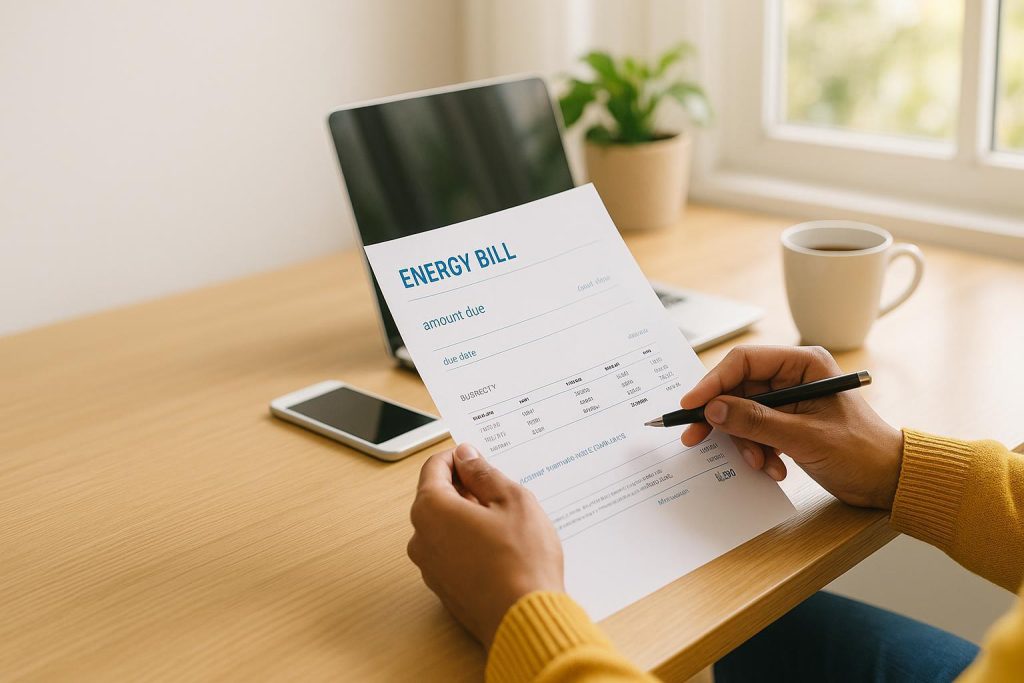
- On your monthly statement: Look at the top of your electricity or natural gas bill. It’s typically printed in a bold or highlighted area.
- Online customer portal: Many providers allow you to log in to a secure portal where your account details are displayed. If you’re with an Alberta-based company that values simplicity, there’s usually a clear “My Account” or “View My Bills” section. Check there for your account number.
- Welcome emails or letters: If you’ve recently signed up for a new service, your welcome correspondence might include your official utility account number.
- Contact customer support: If all else fails, calling or emailing the local support team can help you find your account number quickly, especially if you need it to manage your contract or plan. Just be prepared to verify some personal details first.
Keeping a note of your account number in your phone or at home can be a major time-saver. That way, if you need to talk to a representative or make a quick billing inquiry, you’ll have the main piece of information that links everything together.
The Role of Account Numbers in Billing
One of the biggest reasons you’ll be asked for your account number is billing. Having the right account number ensures charges are allocated correctly. For instance, if you’re a homeowner in Alberta who’s recently switched to a new energy plan, your usage history and balances have to move along with you. Your provider’s system scans your account number to locate your payment history, applied rates, and other billing components. This helps keep your electricity or natural gas statement transparent and prevents billing mistakes that can lead to stress or confusion.
- Automated payment setup: Many people these days prefer automated payments to avoid missing due dates. Your account number is key for setting up direct withdrawal or credit card billing with the right account profile.
- Rate references: If you have a competitive rate or a particular plan, it’s aligned with your account number. This makes sure any changes in the cost per kilowatt-hour (kWh) or gigajoule (GJ) reflect accurately.
- Avoiding misapplied payments: Sending a payment without the correct account number can cause it to go to someone else’s balance or float around unassigned in the system.
Practically speaking, the more accurate your account number usage, the more efficient and error-free your billing cycle is likely to be.
Common Reasons You Might Need Your Account Number
While billing is one of the most frequent times your account number comes into play, there are various other scenarios where you’ll likely be asked for it:
- Opening a new electricity or natural gas service: If you’re new to a utility, your account number helps verify your setup details. Providers often require it to confirm you’re the right person who signed up for a particular plan.
- Transferring or moving services: Should you relocate to a new address within Alberta—whether in Edmonton, Calgary, Grande Prairie, or another area—your account number is needed to transfer your service seamlessly. It ensures your usage records and rate details follow you rather than forcing you to start from scratch.
- Upgrading or switching plans: Maybe you’re switching from a variable-rate plan to a fixed-rate option. When contacting customer support to confirm your plan change, your utility account number quickly links the right information.
- Reporting an outage or technical issue: When you call or email about an outage, especially during peak times, you’ll likely be asked for your account number. This helps your provider identify the affected property and speed up any necessary follow-up.
In other words, it’s not just a billing detail—it’s a universal key that unlocks all account-related tasks, giving you more control and peace of mind when you need assistance or want to make adjustments.
Account Numbers and Customer Support
Customer service teams rely on your account number for a variety of reasons:
- Faster resolution: When you initiate a call, start a live chat, or send an email, providing your account number from the beginning can significantly cut down on the time it takes the agent to figure out which account they are handling.
- Confidentiality and security: Agents often need to confirm they’re speaking to the correct person about the correct account. Providing your account number, alongside some verifying personal details, ensures the best security for your data.
- Coordination between departments: Larger providers often have different departments for billing, technical support, and contract changes. Your account number is the common thread that ties them all together.
By keeping your account number on hand, you help customer support deliver better service, whether you’re asking a simple question about your usage or want to choose your plan again if you’re reevaluating your options.
Why Security Matters
Although your utility account number isn’t as sensitive as banking details, you still want to be mindful of where and how you share it. Here’s why:
- Prevent unauthorized service changes: In rare cases, someone could use your number to try switching your service or making modifications you didn’t authorize.
- Avoid confusion with third parties: Some individuals or organizations might request account info to enroll you in certain programs without your full understanding—always double-check whom you’re giving the information to.
When you share your account number with your utility’s customer service team, you’re generally in safe hands. However, it’s still good practice to treat it as private information, only discussing it or passing it along to verified individuals. If you’re ever uncertain, you can ask for official verification or call back a known phone number from the provider’s main website.
How to Keep Track of Your Account Number
Since you’ll likely need this number at several points—signing up for electricity services, changing addresses, or simply paying your bill—it helps to have it easily accessible. Here are a few tips:
- Create an online profile: Register for your provider’s web portal if available. Your account number should be visible the moment you log in. It’s also a great way to track usage and compare your monthly statements.
- Store a digital copy: Take a photo or screenshot of your most recent statement and label it on your phone. That way, if you ever need the account number unexpectedly, it’s right there.
- Print out and file: Paper statements might feel old-fashioned, but they’re handy if you need a physical backup. Just keep them in a folder with other important documents so you’re not scrambling when you need the info.
When switching providers or moving to a new address, storing your earlier account number can help you reference past data if needed. That might come in handy when comparing rates or analyzing how your usage changed over time.
Account Number vs. Other Identifiers
It’s worth noting that you might encounter several IDs connected to your utilities. For instance, your local distribution company might issue a meter number—a separate string of digits often used specifically for recording your electricity usage directly from the meter. Meanwhile, your provider may link your usage to your account number. If you ever see multiple digits and are unsure which one is which, remember:
- A meter number typically appears on the physical meter attached to your property. It’s used for readings and tracking your consumption.
- An account number is the catch-all for billing, plan information, and customer support. This is usually what you need when talking to your provider about your plans or bill.
Given that you might have multiple sets of numbers, understanding which number applies to which aspect of your service can help you navigate your utility experience without frustration.
Tips for Managing Multiple Utility Accounts
If you’re a renter or homeowner with one account, keeping track might be pretty straightforward. But Alberta’s local economy also includes a lot of small business owners who juggle multiple accounts. Perhaps you have electricity at your store in Edmonton, along with another meter for natural gas—and maybe even an additional location in Calgary. Here’s how you can stay on top of everything:
- Label each account: If your provider doesn’t let you create a nickname for each account location, consider creating a simple spreadsheet. Label each account by location: “Edmonton electricity,” “Calgary natural gas,” and so forth. This ensures you’re reading the right statement at a glance.
- Set up autopay or monthly reminders: Prevent confusion by automating or scheduling each account’s payment. If you prefer to pay manually, mark your calendar with account-specific reminders.
- Monitor usage per site: Whether you’re using a provider portal or manually checking your statements, track usage individually so you can compare. If you notice a spike at one location, you’ll be able to address it swiftly.
By employing these strategies, you’ll keep your account numbers organized across multiple properties and still avoid mishaps like late fees or overlooked bills.
How Your Account Number Affects Switching Providers
Alberta’s open market offers a range of electricity and natural gas options. If you’re considering changing providers to secure flexible options or more competitive rates, expect to provide your current account number in the enrollment process. This is especially true if you move to a company that handles natural gas services as well as electricity services. By offering your existing account number, you help the new provider confirm your identity and coordinate a smooth transition from the old plan.
For those worried about the hassle of switching, your account number acts like a tracker so you don’t have to start from scratch. Many local providers, particularly those that emphasize simple and affordable services, will finalize your switch behind the scenes with minimal involvement on your part. Sharing your correct account number is what makes that possible.
When You Don’t Need Your Account Number
Although we’ve gone into detail about how often you’ll need your account number, there are times when it’s not required. Some interactions, such as general questions about market rates or signing up for a brand-new plan, might only demand your contact details instead. If you’re brand new to a provider—say you just visited an online sign-up page to set up energy in your first home—you might not have an account number yet. In that case, you’ll be assigned one afterward.
In short, while the account number is crucial in most existing-customer scenarios, new customers can still explore the benefits, compare rates, and read up on services without that piece of information.
Making Life Easier: Embrace a Customer-First Approach
Utility services can be daunting when tangled in complicated numbers or complex processes. Many providers in Alberta are moving toward a friendlier, customer-first approach, making it easy to switch, simple and affordable to manage your account, and more transparent about how each step works. That includes having user-friendly portals, clear instructions for locating your account numbers, and straightforward energy plans that let you choose your plan without the confusion. When your provider places value on local support and helps you understand small details like your account number, everything feels much more secure and approachable.
Final Thoughts
Your account number is the primary anchor holding all the details of your electricity or natural gas service in place. Whether you need to call customer service, modify your plan, verify your billing, or address an unexpected issue, that one piece of information keeps everything organized and running smoothly. It’s not merely a random set of digits; it’s your personal key to a seamless utility experience. So, keep it handy. Make note of it in your phone or in a safe folder at home, and you’ll have fewer headaches when managing your energy usage.
Ready to learn more about how rates, plans, and account numbers intersect? Take a look at your provider’s online resources or explore your options. For example, you can compare Alberta electricity and natural gas rates to understand how different pricing structures might fit your energy goals. If you have multiple accounts across different locations or services, be sure to label each one for quick reference.
Above all, remember that understanding these details empowers you to make better choices. Your account number might be a small component in the grand scheme, but it plays a huge role in ensuring you stay in control of your services, from billing accuracy to plan customization. By keeping this number in mind—and using it whenever you contact your utility provider—you’ll be on the right track toward a simpler, more customer-focused energy experience.