Understanding Monthly Utility Billing: A Helpful Guide
Yes, in most cases, utility bills are paid monthly. That single sentence may answer the original question, but there’s a lot more behind how and why utilities are typically billed this way. Whether you’re dealing with electricity, natural gas, or a combination of both, knowing the ins and outs of a monthly billing cycle can help you better manage your household or business expenses. This comprehensive guide breaks down everything you need to know, including why most providers bill monthly, what your statement includes, and how you can keep costs in check.
Why Are Utilities Billed Monthly?
Many people wonder why their utility providers choose to send out bills once per month. Monthly billing is a standard in places like Alberta for several reasons:
- Predictable Budgeting: A monthly schedule gives you a consistent time frame to track your expenses, making it easier to align payments with your salary, rent, or other bills you pay around the same time.
- Straightforward Record-Keeping: Instead of receiving a bill every few weeks or once per season, monthly billing keeps records organized and easy to review.
- Timely Usage Feedback: Because your usage data is updated monthly, you can quickly see if your consumption has changed or increased, helping you spot issues like malfunctioning appliances or unusually high usage from month to month.
- Regulatory Guidelines: In many regions, including Alberta, monthly billing aligns with common regulations and customer preferences. Although some providers might offer bi-monthly or even quarterly billing, month-to-month remains the most common format.
What Does a Monthly Utility Bill Include?
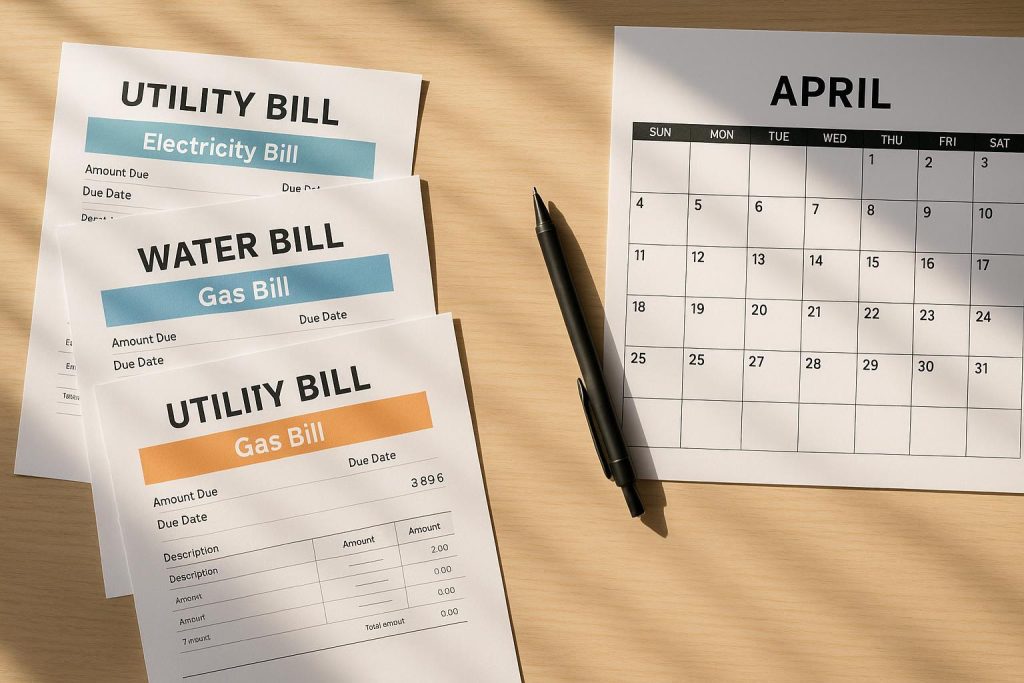
A monthly utility bill typically covers the cost of your electricity, natural gas (if you use it), and associated service fees for the billing period. While every provider has slight variations in formatting and terminology, you’ll generally see:
- Energy Usage: This is the main item on your bill, showing how many kilowatt-hours (kWh) of electricity or gigajoules (GJ) of natural gas you consumed over 30 days.
- Rate Type: Whether you’re on a fixed-rate or variable-rate plan, you’ll see the price you pay per unit of energy. Fixed-rate plans lock in a certain rate for a specified term, while variable-rate plans can fluctuate according to market changes.
- Distribution and Transmission Charges: These cover the cost of getting electricity or natural gas from the source to your home or business. Often, these charges are regulated and not set by your energy retailer.
- Administration or Service Fees: Depending on your provider, you may see an administration fee to cover billing and account services.
- Taxes: Municipal taxes or provincial taxes are generally added, if applicable, making the final total slightly higher.
Keeping track of each line item is crucial because that breakdown shows exactly where your money goes. It also helps you understand which parts of your bill you have control over (like your energy usage and choice of plan) and which parts you don’t (like regulated distribution fees).
When Do You Receive Your Monthly Bill?
Billing cycles often start on the same date each month. Bills are typically issued soon after the meter reading or usage estimate is processed. Here’s what usually happens:
- You’ll receive your statement within a few days of the cycle close date.
- Any applicable credits or adjustments—such as a payment or deposit—are applied to the new balance.
- You then have a set payment due date, which is typically within two to three weeks of receiving the statement.
If you’re a new resident in Alberta, this monthly rhythm can help you plan other recurring expenses, like rent or insurance. Plus, once you realize how easy it is to track your usage month to month, you can make quick adjustments to your household habits if you see a spike in your bill.
Managing Monthly Bills for Better Budgeting
One of the advantages of paying for utilities monthly is that you can adopt simple strategies to gain control over your budget and energy use. Consider these practical tips:
- Monitor Your Consumption: Track your daily habits—like how often the lights are on or how long you keep appliances running. Identifying small changes, such as unplugging electronics when not in use, can reduce electricity usage more than you might think.
- Try a Home Energy Audit: An audit is a thorough inspection of how your home consumes energy. By identifying areas where energy is lost or overused, you can make targeted improvements (like sealing windows or upgrading insulation).
- Check for Programs and Rebates: Depending on where you live in Alberta, you may find local incentive programs for installing energy-saving devices or appliances. These can lower your consumption and your monthly bill over time.
- Consider Fixed-Rate Plans for Predictability: If market fluctuations stress you out, a fixed-rate plan could help you lock in a consistent rate so you always know (to some degree) what your monthly cost per kWh or GJ will be.
Fixed-Rate vs. Variable-Rate: How Do They Affect Monthly Payments?
The type of plan you choose can have a direct impact on how your monthly bill looks. Here’s a quick overview:
- Fixed-Rate Plans: These plans lock your electricity or natural gas rate for a set term (often one or two years). With fixed-rate plans, you can usually count on the same energy rate every month, protecting you from sudden spikes in market prices but preventing you from taking advantage of any decline as well.
- Variable-Rate Plans: These plans follow the market price. That means your rate can change monthly (or even daily in some cases), which can result in lower bills when market prices are low and higher bills during peak demand or market shifts.
Both approaches can be beneficial, depending on your risk tolerance and budgeting style. If you prefer consistency, a fixed-rate plan might be the way to go. If you like flexibility and are comfortable with price adjustments, a variable-rate plan could be a good fit.
Why Reliability is Important
When you’re paying utility bills monthly, you want to be sure you’re working with a reliable provider. In Alberta, many people prefer local utility companies with transparent customer service. If you run into unusual charges or if your bill seems off, receiving consistent monthly statements helps you detect—and then resolve—potential issues sooner.
Common Questions About Monthly Billing
Even though a monthly schedule feels straightforward, households and businesses sometimes have questions about how the system works. Here are a few questions that come up frequently:
- What if I’m away for part of the month? You’ll still receive a bill based on your overall usage. If you’re away for a week or two, you may use less energy, which can be reflected in a lower monthly total.
- Can I request a different billing schedule? Some providers may allow specific arrangements—like weekly or bi-monthly payments—though these are less common.
- How do I set up automatic payments? If your provider has an automated system, you can often link a bank account or credit card to ensure your bill is paid on time each month. This helps avoid late fees and missed payments.
- What if I can’t pay on time? Late or partial payments can lead to service interruptions or late fees, depending on your provider’s policies. If you anticipate difficulties, getting in touch early can help you explore payment arrangement options.
How Peace Power Helps
For those in Alberta who are looking for a simpler, more customer-first approach, a local, community-driven provider like Peace Power can offer transparent billing and local support. Because Peace Power emphasizes a straightforward energy experience, you’ll typically receive easy-to-read, itemized statements each month. This approach helps you understand exactly what you’re paying for, reducing the confusion that often comes with more complex or opaque billing systems.
Peace Power also provides fixed-rate and variable-rate electricity services and natural gas services, giving you the freedom to choose the plan that best suits your household or business. Whether you’re looking to lock in your rate for consistency or keep things flexible to potentially take advantage of market dips, there are options to align with your budgetary goals. If you want to see how all this compares to other plans, you can compare rates to find the right plan for your needs.
Practical Steps to Make Monthly Billing Even Easier
Aside from choosing the right provider and rate type, consider these additional steps to stay on top of your monthly utility bills:
- Use Online Accounts: Most modern utility companies offer online dashboards or apps where you can track usage, upcoming billing cycles, and payment history.
- Set Reminders: Add a calendar alert on your phone or computer for when your payment is due, even if you’ve set up auto-pay. That way, you’re sure to catch any errors or billing surprises.
- Review Past Bills: Each monthly bill can serve as an energy diary. Comparing a bill from the same time last year can highlight if the weather or new appliances are causing fluctuations.
- Seek Guidance: If you consistently see higher costs, your provider’s customer service team can often suggest ways to optimize your usage. That’s especially true if you have local support that understands Alberta’s energy market.
Different Utility Needs for Homes and Businesses
Monthly billing isn’t just for homeowners. Many small business owners and renters are also on a monthly cycle, as it makes financial planning simpler. However, businesses might have additional variables, like higher storage or operational energy requirements, leading to more detailed monthly statements. Still, the core approach—bill arrives, payment due within a set window—remains the same. If you operate a business, you’ll likely appreciate the consistency and transparency that monthly statements offer, helping you track operational costs more accurately.
The Alberta Perspective: Local Considerations
Alberta’s climate can swing from extreme cold to summer heat, and both ends of the temperature spectrum can impact energy consumption. As a result, your winter bills might look very different from your summer bills. A monthly billing cycle allows you to gently adjust your usage habits throughout the year, whether that means turning down the thermostat during mild days in winter or running the air conditioning sparingly in summer. Having a consistent monthly layout can be especially reassuring if you’re worried about seasonal spikes, because you’ll quickly see patterns and manage them proactively.
Conclusion: Embrace the Benefits of Monthly Utility Bills
While it might seem like just another invoice, your monthly utility bill is actually a powerful tool—one that gives you insights into your household or business’s energy habits. From staying organized to minimizing unexpected costs, there are many advantages to receiving (and paying) a utility bill every month. It’s a clear window into how much power or natural gas you’re using, enabling you to make informed decisions about rate plans and adjustments to your daily routines.
If you’re in Alberta and looking for simple and affordable utility services with consistent monthly billing, having a reliable partner can make a world of difference. A company that offers transparent pricing, straightforward plan options, and a dependable local support team is invaluable—especially when you want to avoid hidden surprises in favor of clear, predictable statements.
Ultimately, “Are utility bills paid monthly?” may be a straightforward question, but monthly billing can be a real advantage for better financial control. Take the time to explore your provider’s plan options, set up effective reminders, and monitor your usage month to month. Small steps can have a big impact—especially when you see those gains reflected in lower, steadier bills over time.