When Are Power Lines Replaced?
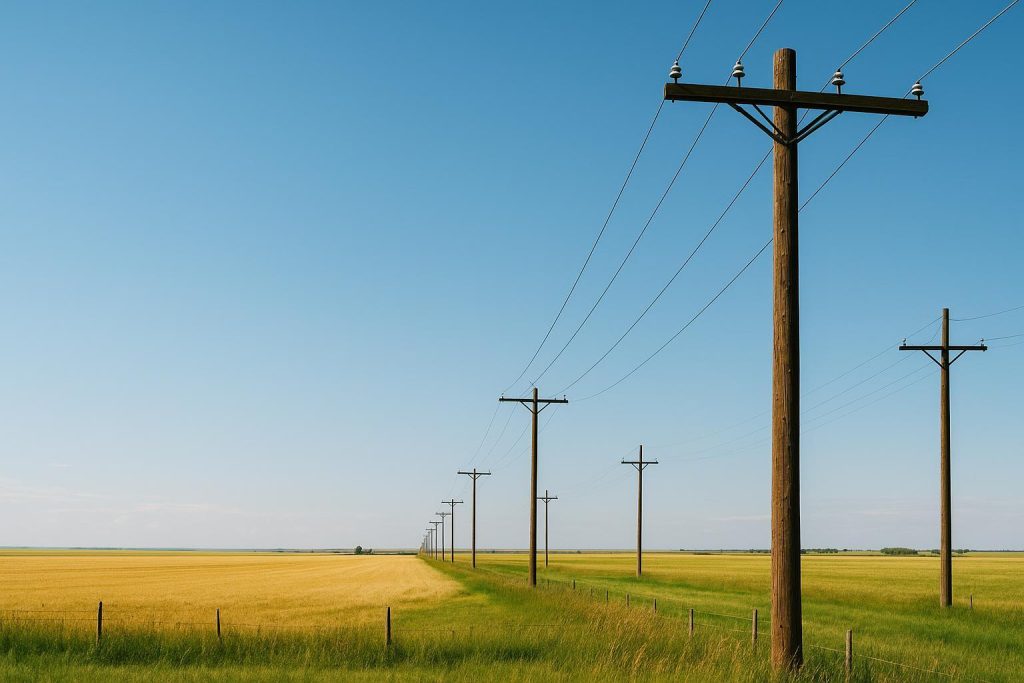
Power lines are a critical part of the electrical infrastructure, carrying energy from distribution networks directly to homes and businesses. Over time, many factors can lead to the need for replacement. Harsh weather conditions, such as high winds or heavy snowfall, can weaken the structural integrity of overhead lines, while underground cables may face water intrusion or natural ground shifts. Additionally, technological advances sometimes prompt power line upgrades, especially if older systems struggle to meet modern electricity demands. In other cases, lines may be replaced to enhance safety, improve reliability, or accommodate growing neighborhoods. Ultimately, whether you live in a busy metropolitan area or a quieter rural setting, local utility providers regularly assess their infrastructure to ensure power lines are up to code and functioning efficiently.
In most regions, your utility distribution company manages these evaluations and determines repair or replacement schedules. If you ever notice visible damage—like frayed conductors, leaning poles, or sagging cables—report it right away instead of trying to handle the issue yourself. Only licensed professionals should inspect or work on these lines due to high voltage risks. While power line replacement might cause short-term inconveniences, it’s an investment in long-term stability. Some communities even use replacements as an opportunity to upgrade overhead lines to underground systems, reducing exposure to weather threats and decreasing the likelihood of outages. If you’re curious about how these improvements might affect your energy service, you can explore our electricity offerings at Electricity and review potential plan impacts at Rates. Upgrades to the grid generally aim to provide a safer and more dependable power supply, which helps prevent sudden disruptions and keeps businesses up and running. Ultimately, while they may not need replacing often, power lines do need attention over their lifetime to ensure cost-effective and consistent energy delivery for everyone in the community.