Getting the Facts on Air Fryers vs. Ovens: Which Uses More Electricity?
Many people love quick cooking solutions and modern kitchen appliances, and one of the most popular options to emerge in recent years is the air fryer. But when it comes to energy consumption, you may be wondering: do air fryers actually use less electricity than a conventional oven? Below, you’ll find a detailed exploration of these two cooking methods, including the way each appliance operates, how much power they really use, and the practical steps you can take to manage your electricity usage overall. This guide will help you make an informed decision whether you’re trying to keep your energy bill under control or just curious about the most efficient way to cook your favorite meals.
1. A Quick Overview of Air Fryers
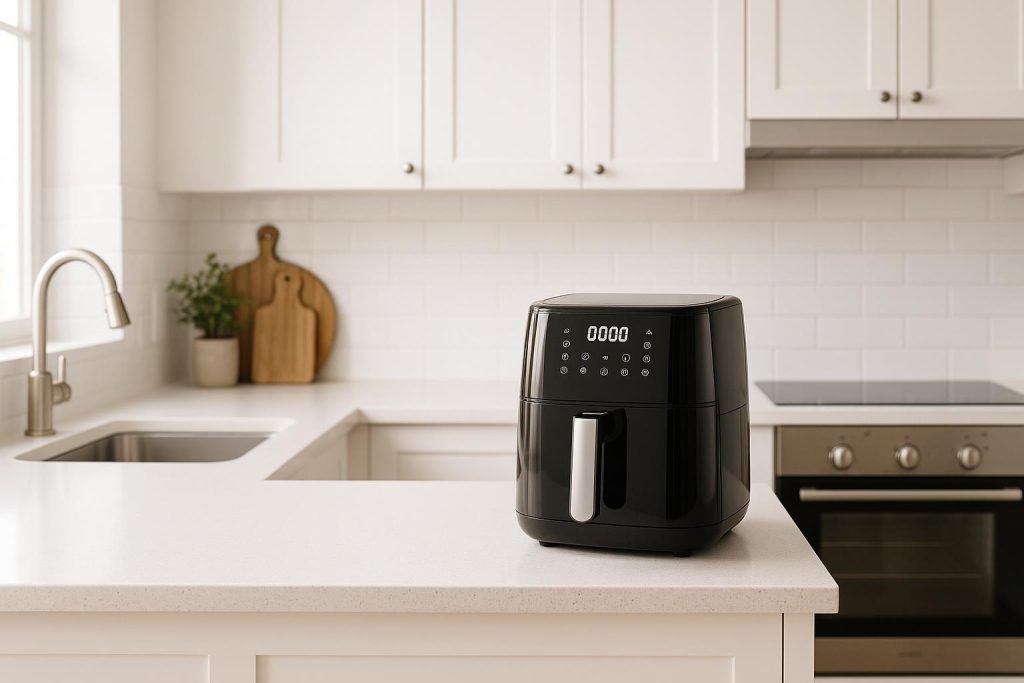
Air fryers are compact countertop appliances that use hot air to cook or “fry” food, often using significantly less oil than traditional deep frying. Here’s what makes them work:
- Convection heating: Air fryers usually employ a rapid air circulation system. This circulates hot air evenly around the food at high speeds, sealing in crispness and flavor while minimizing the use of cooking oil.
- Smaller space: Compared to an oven, an air fryer chamber is usually much smaller. Less space often means less energy needed to preheat and maintain temperature.
- Shorter cooking times: Because of the concentrated, powerful heat and stronger airflow, air fryers can cook many items in less time than a conventional oven. Shorter cooking cycles may lead to lower energy usage overall.
Of course, each air fryer model has its own wattage rating, typically between 800 watts and 2,000 watts, so the actual electricity usage can vary. Nonetheless, many people find that air fryers provide a convenient and energy-conscious way to whip up crispy favorites like fries, chicken wings, or roasted veggies.
2. How Ovens Cook Your Food
Conventional ovens—whether gas or electric—have been around for generations, and they remain a staple in most households. They work by heating the entire oven interior to a set temperature, often relying on one or two heating elements (usually located at the oven’s top and bottom). Some key points include:
- Cooking larger quantities: Ovens typically have a much bigger interior capacity than air fryers. This is ideal when cooking multiple dishes or large items such as roasts.
- Multiple cooking modes: Many modern ovens come with features like convection fans, broiling elements, and specialized settings for baking bread or pizza. These features can improve cooking efficiency, but also require additional power when active.
- Extended preheat times: A conventional oven may need several minutes to an hour of preheating (depending on the desired temperature), which adds to its total energy consumption, especially if you bake or roast frequently.
When it’s all said and done, an oven can consume anywhere from 2,000 to 5,000 watts—especially if you’re using a high temperature and cooking for a longer period. This higher wattage range, combined with a more spacious interior that requires a good deal of heat, can lead to significant energy use over time.
3. Comparing the Electricity Usage
The question of whether an air fryer or an oven uses more electricity isn’t always cut-and-dry. The energy consumption depends on several factors, including how often you cook, the temperatures you choose, and the total duration of use. In general, though, here’s how they stack up:
- Power draw: An air fryer’s wattage is typically lower or on par with an oven’s. Because air fryers are smaller and operate more efficiently, they generally require less energy upfront.
- Cooking time: Air fryers tend to cook food faster, which can reduce how long you keep the appliance running. Ovens, however, may stay on for longer to maintain temperature, especially during extended baking or roasting sessions.
- Meal size: If you need to cook large batches of food, an oven might be more economical in a single session because you can fit everything in at once. On the other hand, with an air fryer, you may have to run multiple batches, which could negate some of the energy savings.
Overall, in many everyday scenarios, an air fryer will come out ahead in energy efficiency, especially when you’re cooking smaller, quick meals. The short cooking times and smaller cooking chamber mean you can achieve similar results with potentially less power usage. However, if you plan to roast a turkey or prepare an oversized casserole, you might be better off using the oven once instead of air-frying in batches.
4. Factors That Affect Electricity Costs
It’s important to note that “does it use more electricity?” might not always translate directly into “what does it cost?” Because electricity rates can vary, there are several other factors to consider that impact your bill:
- Electricity rates: In Alberta, and across different regions, the cost per kilowatt-hour (kWh) changes based on your service area, provider, and the plan you choose. Many providers offer competitive rates or variable-rate plans that reflect changing market conditions, so your monthly costs can vary.
- Usage habits: How frequently you cook, the cooking methods you prefer, and how well you maintain your appliances can all drive up or reduce total electricity usage. For example, cranking the oven to a high temperature to bake a single small dish can be less efficient than just using a quick countertop appliance.
- Appliance age and efficiency: Old or poorly maintained ovens might draw more power than newer, well-sealed units. Similarly, a high-end air fryer with advanced settings might consume more electricity than a basic model, although it may still outperform a standard oven in typical cook times.
- Time of day usage: In some regions, energy providers charge higher rates during peak hours. If your cooking schedule typically lands during peak times, consider how that might affect the cost of using either appliance.
Before deciding if you should rely heavily on one appliance over another, think through your overall lifestyle, electricity rates, and how many people you’re cooking for. These factors heavily influence which appliance is more efficient for you personally.
5. Strategies for Lowering Your Electricity Use
Even if air fryers tend to use less electricity in many cases, you can make either cooking method work more efficiently for you by following a few best practices:
- Plan your cooking sessions: Try to prepare multiple dishes together if you’re using the oven. This way, you fully utilize the heated space and reduce the need to keep the appliance running multiple times per day.
- Choose the right appliance for the task: For small, quick meals, the air fryer is typically the way to go. If you’re entertaining a crowd or need to bake a large dish, the oven might be more practical in a single session.
- Cut down preheat time: Some experts recommend skipping the oven preheat for certain types of food if it’s not critical for cooking consistency. Additionally, air fryers often heat up very quickly, which can save power if you’re in a rush.
- Adopt a systematic cleaning routine: Keep both your oven and air fryer clean, removing any buildup that can reduce efficiency. A clean heating element and proper airflow help ensure quicker, more consistent cooking.
- Upgrade to an efficient plan: Even the best cooking habits can’t make up for electricity rates that are high or unpredictable. If you’re in Alberta and looking to manage your costs, consider checking out electricity services that offer local support and straightforward energy plans.
By focusing on your overall approach to cooking and utilities, you can keep your power usage manageable, no matter which appliance you use most often.
6. When It Makes Sense to Use the Oven
It might be tempting to rely on your air fryer for nearly every meal, particularly when seeking better energy efficiency. But there are certain scenarios where the oven remains the ideal choice:
- Cooking large meals: Feeding a big family or hosting a dinner party typically requires cooking multiple items. An oven can bake or roast large quantities at once, potentially saving energy compared to numerous small batches in the air fryer.
- Specialized recipes: Some baked goods, especially those that need precise temperature control (like certain breads or cakes), might turn out best in a conventional or convection oven.
- Broiling or browning: While some air fryers include a broil or grill function, nothing quite beats an oven’s broiler for high-heat browning. If you’re finishing a dish that needs that intense top heat, the oven could be your best bet.
In these instances, using the oven once can be more cost-effective than trying to replicate the same function in multiple air-fryer rounds. It’s all about choosing the right tool for the right cooking process.
7. Additional Ways to Control Your Electricity Expenses
Whether you choose an oven, air fryer, or both, there are several steps you can take to manage your monthly electricity costs without sacrificing good meals:
- Optimize your rate plan: If you live in an area like Alberta, look for a plan that fits your cooking habits. For instance, some providers give you the option of a fixed-rate or variable-rate plan. With a fixed-rate plan, you can lock in your rate, making your bills more predictable over time. A variable-rate plan, however, could yield savings if the electricity market experiences lower wholesale costs.
- Keep appliances in good repair: Regularly check seals, cords, and heating elements. Small inefficiencies add up over time and cause your appliances to work harder.
- Be mindful of standby power: Even though small appliances like air fryers draw minimal power when turned off, unplugging them if they are not in use can reduce “vampire” or standby energy. Every bit of energy savings can contribute to a lower monthly bill.
- Make use of energy monitoring: Consider installing a smart meter or using an energy-monitoring device to track how much power your appliances use. Reviewing household consumption can help you identify habits that spike your energy usage, whether it’s cooking at a certain time of day or leaving the oven on too long.
- Stay flexible: If the air fryer’s smaller load capacity means more cooking time overall, don’t be afraid to switch back to the oven. Saving energy is about context: one big batch can be more efficient than several small ones.
By adopting these day-to-day energy habits, you’ll find it easier to stay within your preferred household budget.
8. Finding What Works Best for You
Ultimately, whether an air fryer or an oven uses more electricity depends on how you cook and what you cook. A smaller appliance that cooks food quickly, like an air fryer, can result in lower energy consumption for frequent, small meals. Meanwhile, a conventional oven might be the better pick for large families or for cooking big items in fewer overall sessions. It’s often a balancing act between your personal cooking style, the size of your household, and the exact recipes you love to prepare.
Air fryers tend to be simpler and more affordable to run if you’re primarily cooking single or small portions. Yet, the oven remains a tried-and-true solution for big-batch baking and roasting. By being conscious of energy rates and adopting smart usage habits—like batch cooking, regularly cleaning your appliances, and comparing the rates offered by your electricity provider—you can keep your costs under control and make the most of each method.
9. Conclusion: Make the Most of Your Kitchen Appliances
For many people, the air fryer is a convenient solution that often uses less electricity than a standard oven, primarily because it runs at a lower wattage, preheats quickly, and cooks more rapidly. However, real-life energy use varies a lot based on portion sizes, how often you cook, and the type of recipes you enjoy. Ultimately, having both an oven and an air fryer at your disposal gives you the flexibility to choose whichever appliance best meets your needs in the moment.
When thinking about long-term energy costs, exploring the right plan for your household can make a substantial difference. Consider a provider that offers competitive rates, local support, and straightforward billing so you know exactly what to expect each month. Adopting smart cooking habits—like batch cooking larger meals in the oven and reserving the air fryer for smaller batches—will further optimize your energy use, keep your utility bills in check, and ensure delicious meals at home. With a thoughtful approach to both cooking methods, you can savor all your culinary favorites without fretting too much about power consumption.